


Asian Scientist Newsroom

ABOUT
Asian Scientist Magazine is an award-winning science and technology magazine that highlights R&D news stories from Asia to a global audience. The magazine is published by Singapore-headquartered Wildtype Media Group.
Stories by Asian Scientist Newsroom

Biconcave Nanodisks Wreak Havoc On Tumors
An international team of scientists has developed drug-loaded biconcave carbon nanodisks that accumulate preferentially in tumors.

Scientists Uncover Mechanism Of Post-Menopausal Bone Loss
Scientists in Japan have found that a protein known as Sema3A interacts with estrogen signaling to maintain bone health.
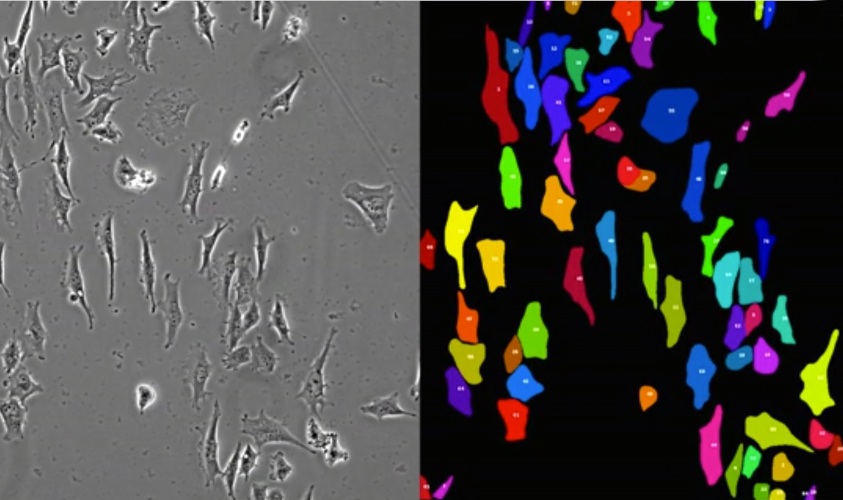
Machine Learning To Keep An Eye On Migrating Cells
Japanese researchers have developed a machine learning tool that allows the study of label-free cells migrating in vitro.

Taking Solid-State Batteries To The Next Level
Using complex hydrides, a research group in Japan has demonstrated the possibility of building high-energy-density all-solid-state batteries with capacity exceeding 2,500 Wh/kg.

Subaru Telescope Reveals 83 Supermassive Black Holes
The most distant of the 83 supermassive black holes is 13.05 billion light years away, and the average spacing between black holes is one billion light years, say researchers in Japan.

Spotting Cancer Cells In Lymph Nodes
By injecting contrast agent into upstream lymph nodes, scientists in Japan were able to detect cancer cells within the lymphatic system early on.

Coffee May Inhibit Prostate Cancer Growth, Scientists Find
Kahweol acetate and cafestol found in coffee may slow down the progression of prostate cancer, say researchers in Japan.
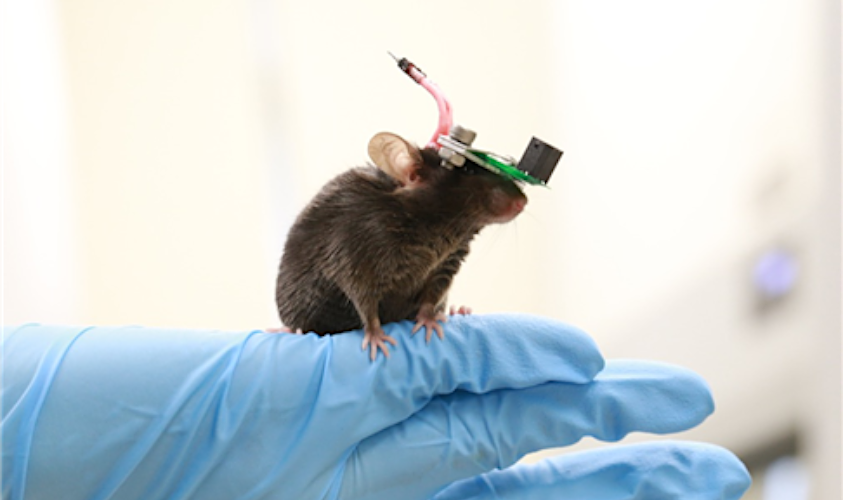
Tiny Ultrasound Device Stimulates Mouse’s Brain
Using a lightweight capacitive micromachined ultrasonic transducer, researchers in South Korea were able to noninvasively stimulate the mouse brain to a depth of three to four millimeters.

Industrial-Scale Aquaculture Intensifies Greenhouse Gas Emissions
Researchers in China, South Korea and the UK have demonstrated that the rapid increase in aquaculture activities is associated with elevated greenhouse gas emissions.