


Asian Scientist Newsroom

ABOUT
Asian Scientist Magazine is an award-winning science and technology magazine that highlights R&D news stories from Asia to a global audience. The magazine is published by Singapore-headquartered Wildtype Media Group.
Stories by Asian Scientist Newsroom

Pharmaceutical IT Asia Congress To Highlight Digital Healthcare Innovation
Oxford Global’s Pharmaceutical IT Asia Congress will take place from March 25-26, 2014 in Singapore..

Cord Blood Banking: How Useful Is It?
New parents are faced with myriad decisions about their newborns. Ivan Seah delves into the world of cord blood banking to assess the merits of public versus private cord blood banks.

Quintiles, Vietnam Ministry Of Health To Collaborate
The Vietnam Ministry of Health has signed an agreement with Quintiles to enhance clinical research in Vietnam’s growing nation of 90 million people.

Study Asks What Type Of Drinker Are You?
RMIT University researchers have studied thousands of alcohol drinkers to reveal four types of drinkers.
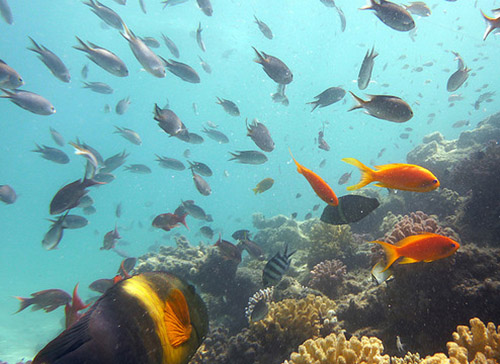
Fish T1K Project To Study Fish Evolution & Genetics
CNGB has launched the Fish T1K project, a study designed to unveil the mysteries of the origin, evolution and diversification of the largest group of vertebrates.
Cytori, Lorem Vascular To Commercialize Cell-Based Therapies
Cytori and Lorem have announced a partnership to commercialize Cytori Cell Therapy in Asian markets.

Rice Consumption In Bangladesh Linked To High Arsenic Exposure & Toxicity
A study of more than 18,000 people in Bangladesh has established a link between rice consumption and arsenic exposure and toxicity.

Regular Exercise Could Protect Against Ovarian Cancer
Engaging in physical activities, including exercise as a leisure activity, could help protect women against ovarian cancer, finds a new study.

Top Concerns For Asia: Mental Health, Obesity, NCDs
Mental health, obesity and non-communicable diseases are top-priority goals for the region between 2015 and 2030, according to experts from nine Asian countries and Australia.