


Asian Scientist Newsroom

ABOUT
Asian Scientist Magazine is an award-winning science and technology magazine that highlights R&D news stories from Asia to a global audience. The magazine is published by Singapore-headquartered Wildtype Media Group.
Stories by Asian Scientist Newsroom

Subra Suresh Named Member Of Chinese Academy Of Sciences
Prof. Subra Suresh, a distinguished Indian-American engineer and scientist, has been named a member of the Chinese Academy of Sciences.

Plants Can Learn Like Animals, Study
Researchers in Australia have published evidence that plants can learn and remember just as well as it would be expected of animals.

Bee Sensors Take Flight To Help Farmers
Thousands of honey bees in Australia are being fitted with tiny sensors in an effort to monitor the insects and their environment.
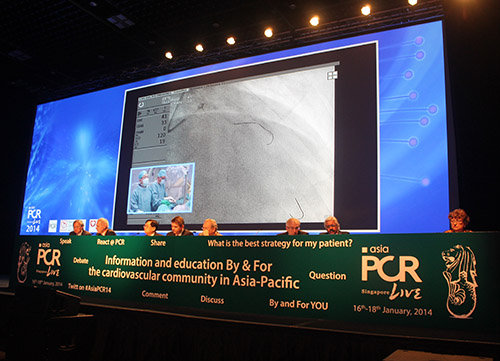
Cardiologists Gather At Suntec Singapore For AsiaPCR/SingLIVE 2014
Hundreds of cardiologists gathered at AsiaPCR/SingLIVE 2014, a three-day medical conference covering the latest in interventional cardiology.
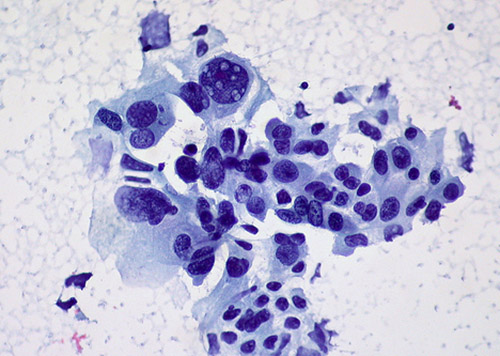
RNA Editing Enzyme Overexpressed In Esophageal Cancer
Researchers have discovered that an RNA editing enzyme is significantly over-expressed in esophageal squamous cell carcinomas.

Moderate Testosterone Levels Safest For Elderly Men, Study
Midrange testosterone levels in older men are associated with better survival, according to a study.
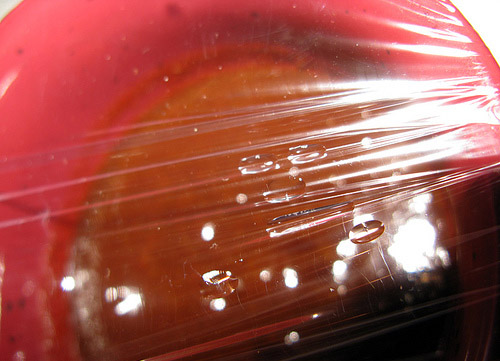
New Plastic Film Could Improve Food Packaging
Researchers have invented a new plastic film using a nano-inspired process that makes the material thinner than aluminum foil while keeping air and moisture at bay.

MedTech Company Masimo Opens Indian Offices
Masimo Corporation has opened offices across India to meet the health demands of the burgeoning Indian market.

Starbucks In China: Drinking For Status Or Taste?
Chinese consumers' thirst for Starbucks coffee has more to do with their desire for status than their taste for the brand's beverages, researchers have discovered.