


Asian Scientist Newsroom

ABOUT
Asian Scientist Magazine is an award-winning science and technology magazine that highlights R&D news stories from Asia to a global audience. The magazine is published by Singapore-headquartered Wildtype Media Group.
Stories by Asian Scientist Newsroom

Diabetic Women Face Higher Risk Of Stroke Than Men
A meta-analysis of papers published on diabetes shows that diabetic women are more susceptible to stroke than diabetic men, possibly because of obesity.

Study Shows HPV Vaccine Protects Against Cervical Cancer
By linking Queensland records of HPV vaccinations with the pap smear register, scientists have been able to show that vaccinations have been effective in protecting against cervical cancer.

iKang Launches US$150 Million IPO On NASDAQ
The initial public offering is expected to raise US$150 million for expansion through acquisitions and the building of new medical centers.
When Two Become One, One Switches Off
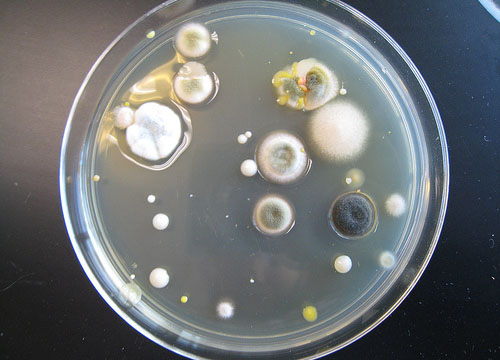
In allopolypoids, which are formed when two different species merge into one, the DNA of both is conserved, but only one species' RNA is expressed, says a geneticist.

Yoga Lowers Stress Hormones In Breast Cancer Patients, Study
Breast cancer patients who practiced yoga not only had general better health and regulation of cortisol levels but were also more able to find meaning in their illness, a study reports.

Study Shows Community-Based Care For Schizophrenia Works
Community intervention was found to be more effective at reducing symptoms and disabilities in schizophrenics compared to facility-based care.

ZENBU Helps Scientists Make Sense Of Large Datasets
A new bioinformatics tool developed at RIKEN helps scientists visualize and make sense of large datasets.

A Bird’s Eye View Of Flowers
Mathematical models show that a disproportionate number of Australian flowers have colors that attract honeyeaters, suggesting that flowers have evolved in response to bird visual systems.

Deadly Diarrhea Caused By Wastewater Irrigation Of Crops
The use of wastewater to irrigate crops is exposing children in Asia to a high risk of rotavirus infection and other deadly disease, scientists say.