


Asian Scientist Newsroom

ABOUT
Asian Scientist Magazine is an award-winning science and technology magazine that highlights R&D news stories from Asia to a global audience. The magazine is published by Singapore-headquartered Wildtype Media Group.
Stories by Asian Scientist Newsroom
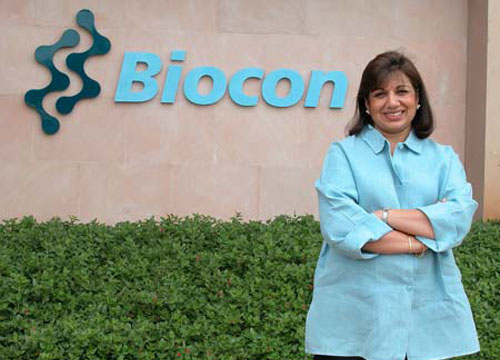
Biocon’s Mazumdar-Shaw Honored By Chemical Heritage Foundation
Kiran Mazumdar-Shaw, founder of the Bangalore-based biotech company Biocon, is the first Indian to be awarded the Othmer Gold Medal.

Novartis Launches Blood Cancer Drug, Jakavi®
Jakavi, the only approved oral medication for the blood cancer myelofibrosis, has been introduced in Singapore and 50 other countries.

How Polar Bears Cope With Fat
Understanding how polar bears adapted to their high-fat diets could lead to new ways of preventing fatty plaques and treating cardiovascular disease.
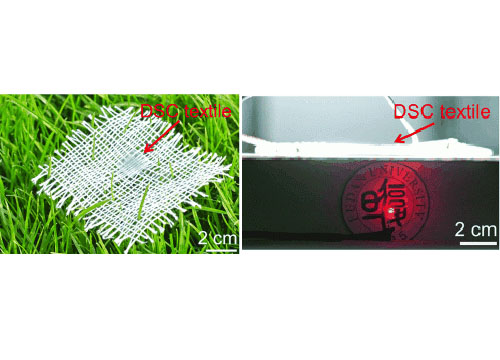
Stacked Electrodes To Make Solar Cells Wearable
Wearable solar cells are now one step closer to reality with the development of flexible and efficient solar cells based on stacked electrodes.
Tianjin & AstraZeneca Collaborate On Cardiovascular Disease
Tianjin Medical University and Astrazeneca will collaborate to develop soluble epoxide hydrolase inhibitors for the treatment of cardiac fibrosis.

Gene Associated With Cancer Drug Resistance Identified
Variations in the TEKT4 gene result in microtubule destabilization, possibly explaining how breast cancer cells develop resistance to the drug paclitaxel.

ADB Invests US$60 Million To Boost Healthcare In Asia
The Asian Development Bank invests US$60 million in OrbiMed Asia to improve the delivery of healthcare services.

Training The Immune System To Target Brain Cancer
By exploiting the fact that many brain tumors harbor cytomegalovirus, scientists have used the patient's immune system to target brain cancer.

Shire Acquires Fibrotech For US$75 Million
Shire's acquisition of the University of Melbourne-affiliated Fibrotech highlights the potential for commercialization in public-private partnerships.