


Asian Scientist Newsroom

ABOUT
Asian Scientist Magazine is an award-winning science and technology magazine that highlights R&D news stories from Asia to a global audience. The magazine is published by Singapore-headquartered Wildtype Media Group.
Stories by Asian Scientist Newsroom

Dating The Solar System
By measuring a abundance of 182Hf, researchers have dated to formation of heavy radioactive isotopes to 30 million years before the Sun was born.

Australia Commits US$185 Million To Dementia Research
The National Health and Medical Research Council has set aside US$185 million for dementia research, including a virtual institute to boost collaboration.

Malaria Drug Doubles As Anti-Asthmatic
Artesunate, currently used to treat malaria, could help asthmatics control their symptoms with fewer side effects.

Lipid Bilayers On A Chip
The ALBiC system uses lipid bilayers to seal sub-million femtolitre chambers, facilitating the study of transporter proteins at the single molecule scale.

Preterm Babies Catch Up By Twelve
Although being born pre-term affects cognitive abilities in babies, a study shows that they are able to catch up by age 12.
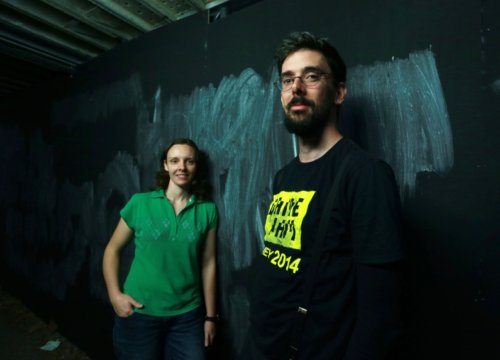
A Computer Writes Its Own Fables
No longer the realm of science fiction, researchers have now taught computers to write stories.

Solasia Acquires License For ZIOPHARM’s Darinaparsin
ZIOPHARM could receive up to US$72.2 million from Solasia for the anti-cancer drug darinaparsin.

Spinning Solar Cells Into Textiles
Solar cell fibers that can be woven into textiles could power the next generation of wearable devices.

New Drug Could Tackle Dengue
A study shows that Celgosivir could potentially be used to treat dengue fever, a disease for which antivirals currently do not exist.