


Asian Scientist Newsroom

ABOUT
Asian Scientist Magazine is an award-winning science and technology magazine that highlights R&D news stories from Asia to a global audience. The magazine is published by Singapore-headquartered Wildtype Media Group.
Stories by Asian Scientist Newsroom

Ear Acupuncture Might Ease Constipation
A systematic review suggests that auriculotherapy might be useful in managing the symptoms of chronic constipation.

Hartwig & Hamachi Awarded Nagoya Medals
Professors John Hartwig and Itaru Hamachi will deliver the Nagoya Medal of Organic Chemistry lectures on October 27, 2014.

Understanding The Body’s Antibody Factories
A better understanding of plasma cell signaling could lead to better vaccines and therapies for autoimmune disease.
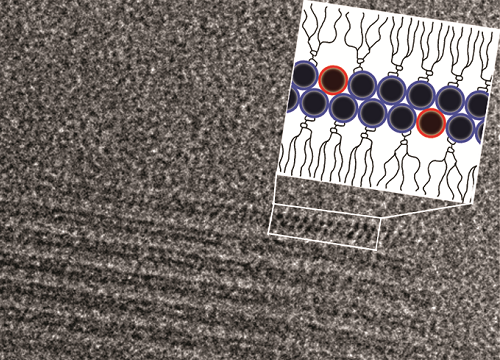
Achieving Nanoscale Control Of Self Assembly
Japanese scientists have successfully fine-tuned the self-organised assembly of organic electronic materials.
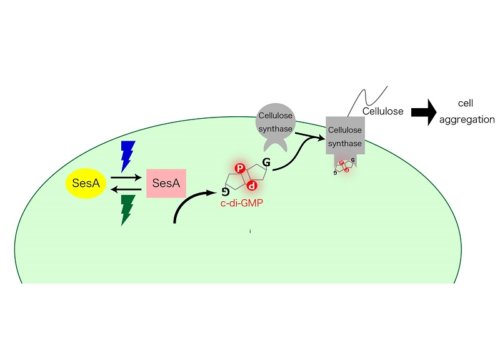
Blue Light Changes Bacterial Lifestyle
The photoreceptor SesA enables cyanobacteria sense blue light and produce cellulose to avoid light damage.
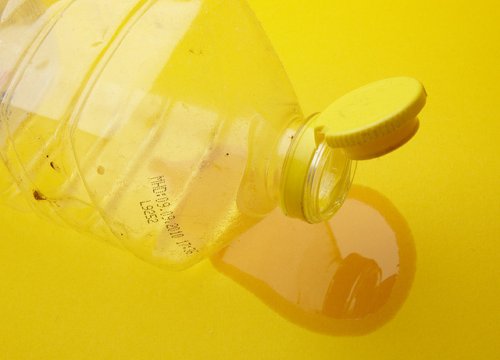
Lasers Spot Toxic ‘Gutter Oil’
A technique employing laser-induced breakdown spectroscopy can rapidly identify harmful re-used oil known in China as "gutter oil".

How Junk Food Changes The Brain
A study in rats suggests that eating junk food weakens self control, leading to overeating and obesity.

Turning Bad Memories Into Good Ones, And Vice Versa?
Negative emotions linked to memories may not be as hard-wired as previously thought.

For Memory, Bigger Is Better
Joel Pearson examines the science of memory, and how it relates to brain size.