


Asian Scientist Newsroom

ABOUT
Asian Scientist Magazine is an award-winning science and technology magazine that highlights R&D news stories from Asia to a global audience. The magazine is published by Singapore-headquartered Wildtype Media Group.
Stories by Asian Scientist Newsroom

Mice Survive Without “Essential” Enzyme
Thought to be essential for cholesterol transport, scientists have now found that mice can survive without the TSPO gene.

HKU Zhejiang Institute of Research And Innovation Opens
Three research laboratories will be set up under the University of Hong Kong Zhejiang Institute of Research and Innovation.

Helping Internet Architecture To Evolve
Researchers have outlined the constraints which could inform the development of evolvable internet architecture.
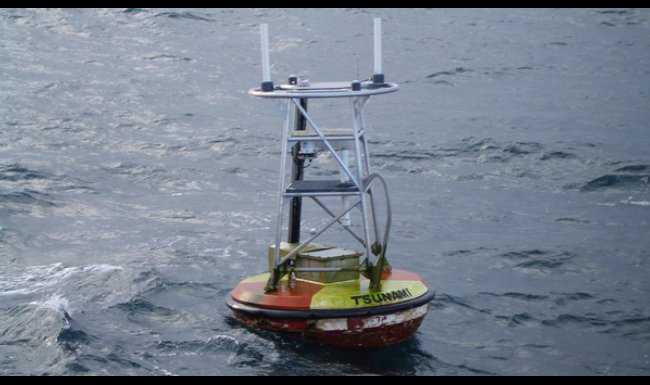
The Art & Science Of Early Disaster Warnings
Post-tsunami South Asia has better early warning systems, but reaching remote communities is still problematic, says Nalaka Gunawardene.

Tapping On Astrocytes To Drive Dopaminergic Neurons
Astrocytes play an important role in the differentiation of stem cells into dopaminergic neurons through the synthesis of bFGF.

Tracking The Evolution Of Painting Styles
Crossing the boundaries between art and science, researchers have investigated the visual properties that make each art historical period distinct.
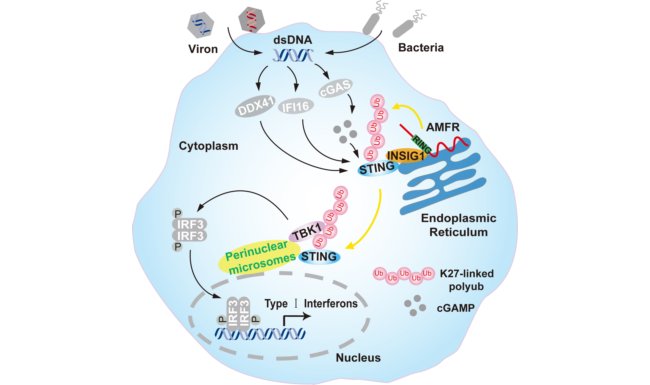
Ubiquitination The Missing Link In The STING Pathway
Poly-ubiquitination links the key microbial DNA detector STING with downstream effects, study shows.
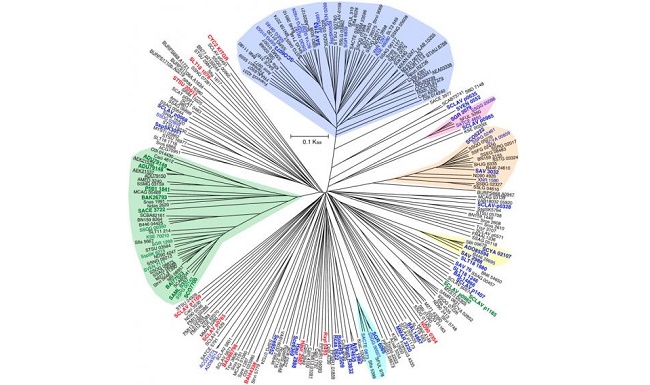
Bacteria Can Make Terpenes Too
A genetic study has revealed that many bacteria possess the enzymes required for the synthesis of terpenes, a main component of essential oils.

Maternal Supplementation Prevents Preterm Births
Maternal micronutrient supplementation is able to reduce preterm births and low birth weights, according to a study involving over 44,000 Bangladeshi pregnancies.