


Asian Scientist Newsroom

ABOUT
Asian Scientist Magazine is an award-winning science and technology magazine that highlights R&D news stories from Asia to a global audience. The magazine is published by Singapore-headquartered Wildtype Media Group.
Stories by Asian Scientist Newsroom
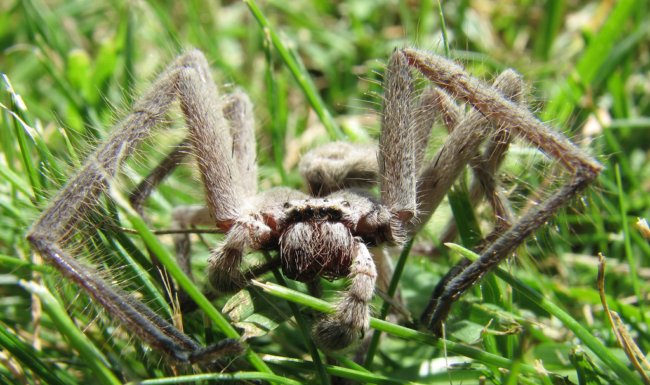
Spider Venom May Have Legs As Future Painkiller
A high throughput screen has identified peptides in spider venom that could potentially be used to treat pain.

The Basis Of Cadmium Toxicity Uncovered
Cadmium disrupts life at the cellular level by competing with other metal ions such as magnesium and zinc, study says.

The Surprising Role Of Viral DNA In The Human Genome
Rather than harming us, endogenous retroviral DNA may actually be important during early embryogenesis, scientists say.

Eisai & Merck To Test Combination Cancer Drugs
Eisai and Merck have entered a partnership to test combinations of their patented drugs on breast and other cancers.

Mazumdar-Shaw Honored By Australian University
Biocon chairman Ms. Kiran Mazumdar-Shaw has been honored by Federation University Australia with a road in her name.
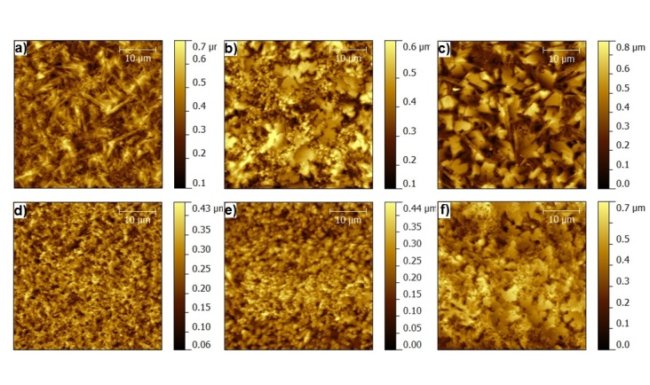
Perovskite Solar Cells Get Growth Boost
A new method to grow larger grains of perovskite crystals could lead to improved solar cell efficiencies.

Space-Time Warp Shows Supernova Exploding Four Times
A chance discovery has helped astronomers confirm a theory first proposed by Einstein over a century ago.
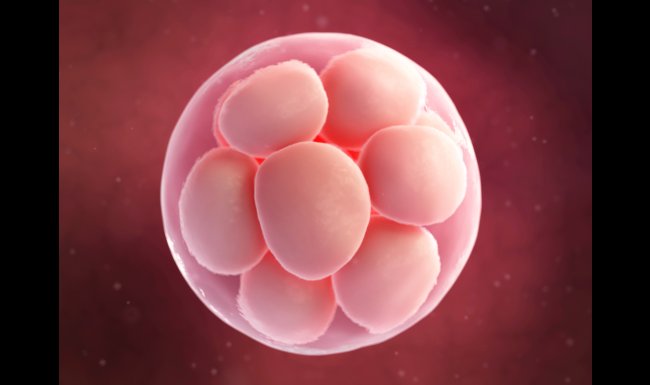
How Many Times Can Cells Be Re-Programmed?
Induced pluripotent stem cells can be used to generate up to six generations of mice but accumulate harmful mutations over time.

Thin Wins When It Comes To Superconductors
Scientists have increased the critical temperature of iron chalcogenide by 1.5 times by fabricating it in thin films.