


Asian Scientist Newsroom

ABOUT
Asian Scientist Magazine is an award-winning science and technology magazine that highlights R&D news stories from Asia to a global audience. The magazine is published by Singapore-headquartered Wildtype Media Group.
Stories by Asian Scientist Newsroom
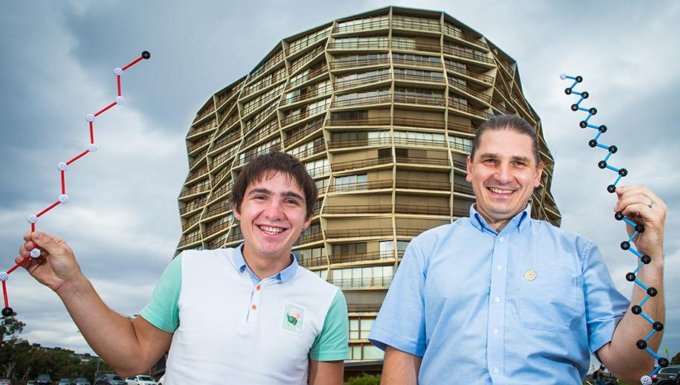
Building Shape Inspires Light-Bending Material
A zigzag-structured material that can bend light could be used to build next generation quantum computers.

MSD Joins A*STAR’s Manufacturing Consortium
Pharmaceutical giant MSD is the latest member of A*STAR's iPSP, a program to boost productivity in the high value chemistry sector.

Generic Hepatitis Drug Launched In India As Hepcvir
Generics manufacturer Cipla has been granted the license to produce Sofosbuvir in India under the brand name Hepcvir.

Announcing Asia’s Premier Science Writing Competition
Science Centre Singapore and Asian Scientist Magazine have launched a competition to honor the best science writers in Asia.

Made-In-China Ebola Vaccine Clears Phase I Trials
A vaccine based on the current strain of Ebola has been shown to be safe and provoke an immune response in humans.

Whole-Virus Ebola Vaccine Protective In Monkeys
A whole-virus Ebola vaccine has been proven safe and effective in non-human primates.

Sensitive SNP Sifting With Statistics
Requiring neither genotyping nor whole-genome sequencing, the G-SCI method has been used to link genetic variations to autoimmune disease.
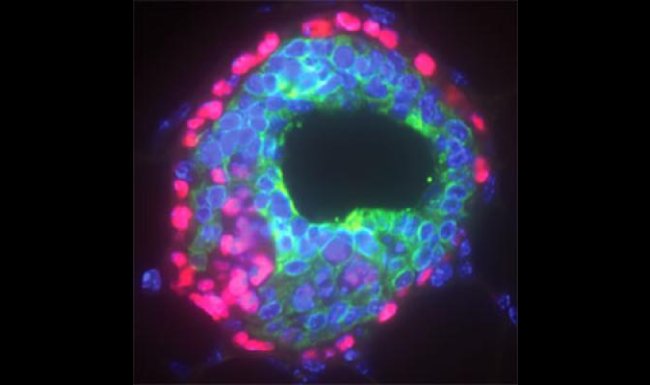
A Switch That Could Tame The Most Aggressive Breast Cancer
Researchers propose that blocking a gene called ID4 could make triple-negative breast cancers more responsive to treatment.

Increased Tropical Rainfall Driven By Bigger Storms
Although the total number of thunderstorms has remained the same, the number of big storms has increased rainfall in the tropics.