


Asian Scientist Newsroom

ABOUT
Asian Scientist Magazine is an award-winning science and technology magazine that highlights R&D news stories from Asia to a global audience. The magazine is published by Singapore-headquartered Wildtype Media Group.
Stories by Asian Scientist Newsroom

Electrical ‘Earthquakes’ Predict Outcomes For Pre-term Babies
Spikes of brain activity can be used to help pre-empt complications in extremely premature babies, study says.
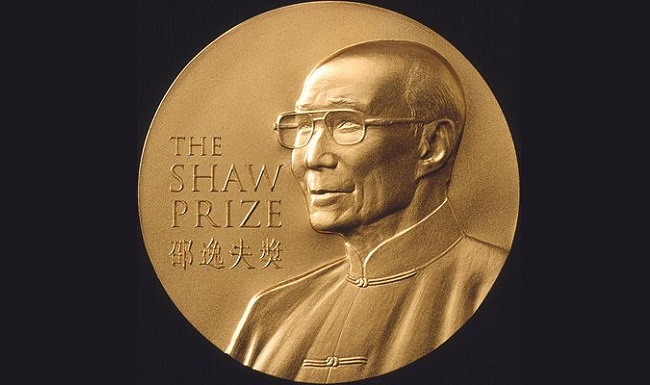
2015 Laureates Of The Shaw Prize Announced
The 2015 Shaw Prizes have been awarded to Mr. William Borucki, Professors Bonnie Bassler, Everett Peter, Gerd Faltings and Henryk Iwaniec.

Cipla To Distribute Nasal Flu Vaccine In India
Cipla will market SII's NasovacS vaccine, a painless influenza vaccine that can boost herd immunity.

Seeing Past TB’s Sugar Coating
Using a glycan array, researchers have identified a protein secreted by the pancreas that plays a role in recognizing Mycobacterium tuberculosis.

LPCs Essential For Human Brain Growth
Scientists have shown that the lysophosphatidylcholine transporter Mfsd2a is important for normal brain development in humans.
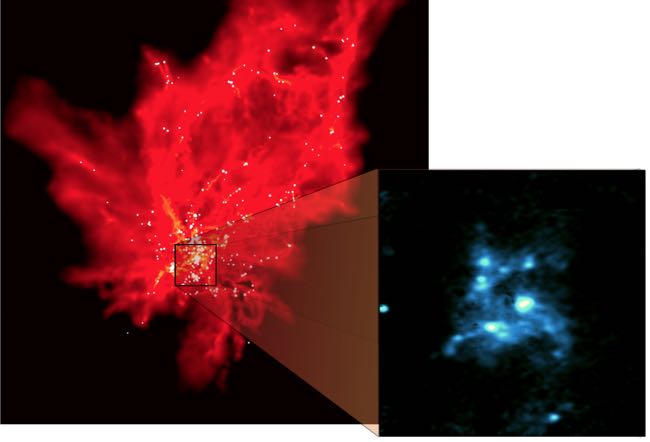
Spiral Arms Cradle Baby Stars
Giant spiral arms surrounding massive molecular gas cores protect proto-stars from radiation and mechanical feedback, allowing stars to form.

Brain Cancer Patients With ‘T allele’ Live 5 Months Longer
The T allele is also predictive of a positive response to the standard cancer treatment, temozolomide.
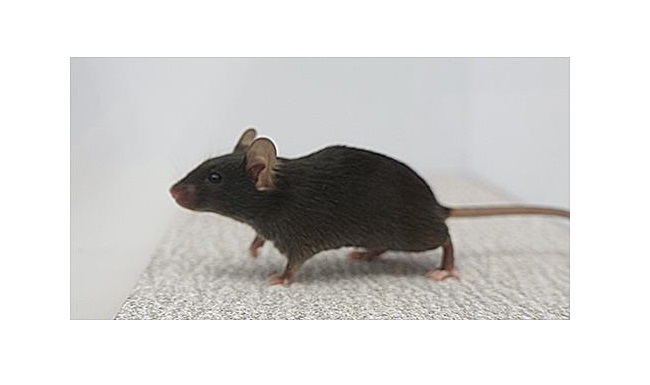
Skin-Brain Communication Requires Reverberations
An optogenetic study in mice shows that sensing textures requires a two-stage brain circuit.

Samlonella Self-Acidifies To Survive Macrophages’ Acid Attack
The acidic environment of the macrophage vacuole not only fails to kill Salmonella but actually switches on bacterial survival genes.