


Asian Scientist Newsroom

ABOUT
Asian Scientist Magazine is an award-winning science and technology magazine that highlights R&D news stories from Asia to a global audience. The magazine is published by Singapore-headquartered Wildtype Media Group.
Stories by Asian Scientist Newsroom

Cheaper & Greener Carbon Bond Formation
Replacing organic halides with aromatic esters could make industrial carbon-carbon bond formation less environmentally polluting.

Tracing The Dendritic Cell Family Tree
A single-cell RNA sequencing study has shown that dendritic cells are already committed to their downstream lineages in the bone marrow.

BMW & NTU Launch Joint Research For Electric Cars
The additional US$0.96 million for the Future Mobility Research Lab will be used to research electromobility in Asia and smart materials.

The Neurons That Enable Strategy Switching
Mice with damaged cholinergic interneurons were able to learn how to get a sugar reward but unable to unlearn their behavior when the rules changed.
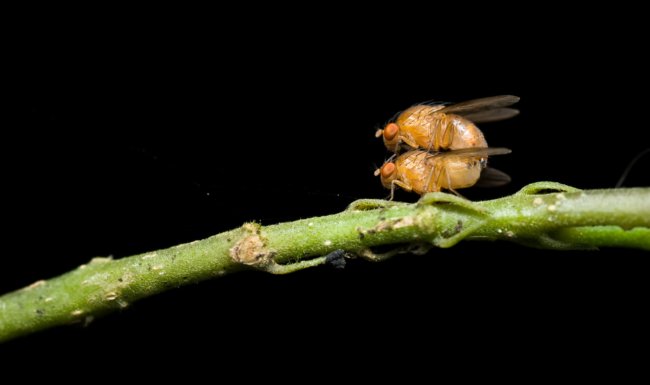
Male Harassment Holds Flies Back Evolutionarily
Female flies with good genes spent more time fending off males than laying eggs, hindering the overall adaptation to a new environment.

Elastic Conductive Ink For Textiles Developed
A self-assembling conductive ink that can be printed onto textiles could enable the development of new wearable devices.

Sea Cucumber Saccharide Could Make Safe Anticoagulant
Researchers have identified an oligosaccharide that can selectively inhibit the rate-limiting enzyme of the blood coagulation cascade.
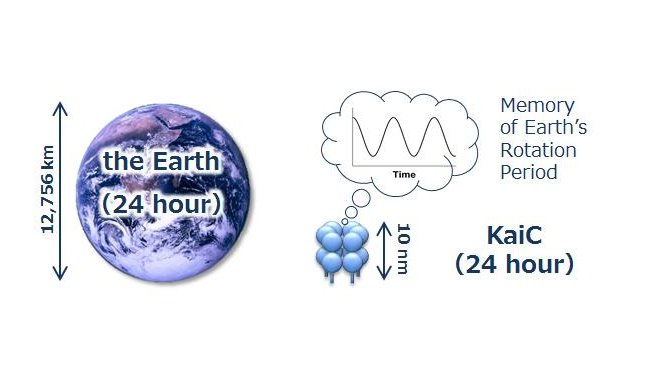
The Tiny Protein That Syncs With The Earth’s Rotation
Oscillations of a 10 nm protein help cells keep in tune with the 24 hour cycles of the Earth.

Tracking The Evolution Of The Next Potential Superbug
Scientists have mapped the genome of the highly diverse Klebsiella pneumoniae bacterium, a pathogen that could potentially be highly virulent and antibiotic-resistant.