


Asian Scientist Newsroom

ABOUT
Asian Scientist Magazine is an award-winning science and technology magazine that highlights R&D news stories from Asia to a global audience. The magazine is published by Singapore-headquartered Wildtype Media Group.
Stories by Asian Scientist Newsroom

A Light-Activated Catalyst For Breaking Down BPA
Silver coated nanoparticles wrapped in sheets of graphene could be the secret to preventing BPA contamination, scientists say.

Nutrient Database To Promote Breastfeeding
A study in Hong Kong concludes that more than 80 percent of mothers can meet their babies' requirements for DHA through breast milk alone.
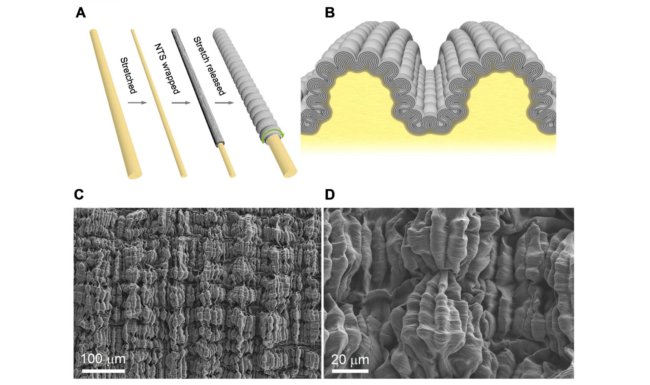
Stretching Conducting Wires To Their Limits
Using carbon nanotubes, scientists have developed wires amenable to stretching, twisting and flexing.

The Fruit Fly May Know It’s Bugging You
A ‘virtual reality’ experiment done on flies has shown that their brains register the difference between their own actions and external stimuli.

A Hope For Hemophilia Patients
For the first time, chromosomal defects responsible for hemophilia have been corrected in patient-specific iPSCs using CRISPR-Cas9 nucleases.
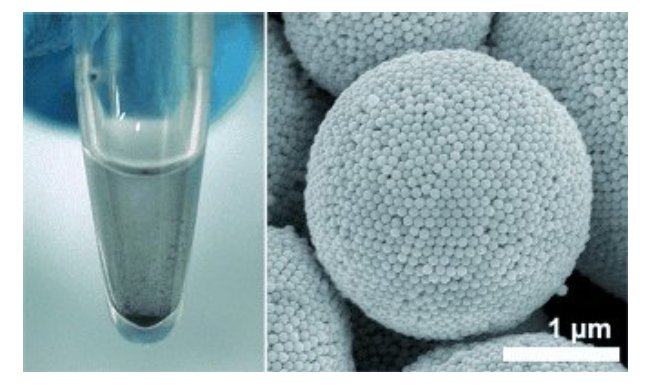
Nanoparticles Self-Assemble Into ‘Black Gold’
When nano-sized gold spheres self-assemble into more complex 3D structures, they turn from their characteristic brick red to black.

Pecking Order Determines Which Rooster Crows First
Less dominant roosters only crow after the most dominant male has decided to announce the break of dawn, researchers say.

Mapping Out The Ligand-Receptor Network
Autocrine signaling may be more common than previously thought, according to the first large-scale map of communication between over 140 different cell types.
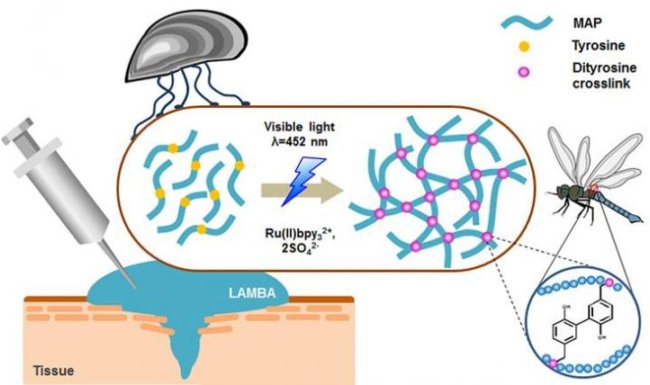
Mussel-Inspired Glue Closes Wounds In 60 Seconds
By combining mussel proteins with insect-style crosslinking, researchers have developed a superior glue that can work in wet environments.