


Asian Scientist Newsroom

ABOUT
Asian Scientist Magazine is an award-winning science and technology magazine that highlights R&D news stories from Asia to a global audience. The magazine is published by Singapore-headquartered Wildtype Media Group.
Stories by Asian Scientist Newsroom

Making DNA Detection Cheaper & More Flexible
Aptamer-based DNA detection could make it easier and cheaper to diagnose disease, scientists say.

Tweaking The Specificity Of Economically Important Enzymes
The synthesis of chiral amines, building blocks of several pharmaceutical drugs, could be made easier with a better understanding of the enzymes involved.

Parasitic Wasps Control Spider Web-Weaving Abilities
Parasitic wasps can turn spiders into their zombie slaves, manipulating their web-weaving abilities to protect the wasp larvae.
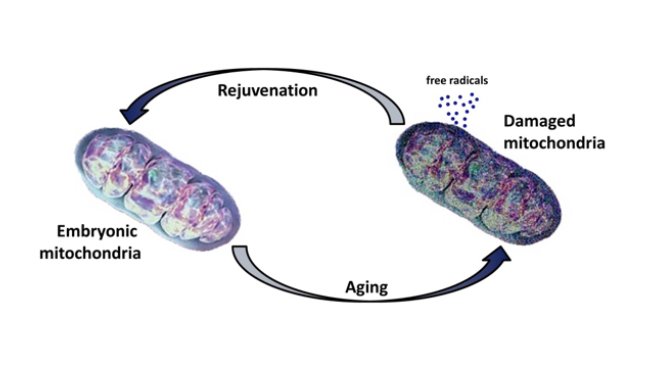
Targeting Mitochondria To Boost Reprogramming
The efficiency of cellular reprogramming gets a boost from an unexpected source: the mitochondria.

Douglas Lin Wins 2015 Catherine Wolfe Bruce Gold Medal
Professor Douglas Lin has been awarded the 2015 Catherine Wolfe Bruce Gold Medal for his achievements in astronomy.

Coral Reefs May Exacerbate Tsunami-Type Waves
Scientists have shown that coral reefs may make sea storms worse, recommending a re-evaluation of risks for seaside towns sheltered by reefs.

Strengthening Microneedles For Brain Surgery
Scientists have developed a way to stiffen microneedles so that they can be used in applications such as brain surgeries.
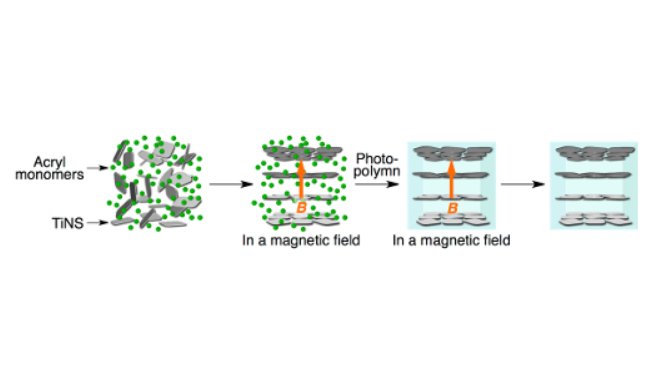
A Synthetic Polymer That Walks
Researchers have developed a polymer that has muscle-like qualities, stretching and contracting to 'walk' in response to temperature changes.

A Surprisingly Elegant Formula For Molecular Aggregates
A mathematical formula can describe the physical processes underlying whether milk turns into butter or curd, scientists say.