


Asian Scientist Newsroom

ABOUT
Asian Scientist Magazine is an award-winning science and technology magazine that highlights R&D news stories from Asia to a global audience. The magazine is published by Singapore-headquartered Wildtype Media Group.
Stories by Asian Scientist Newsroom

WuXi AppTec To Build Biologics Solution Center
WuXi's Shanghai-based center, which will be operational by 2017, will provide integrated solutions for biologics discovery, development and clinical manufacturing.

Scientists Link Textile Dust Exposure To Rheumatoid Arthritis
Occupational exposure to textile dust has been shown to more than double the risk of developing rheumatoid arthritis in Malaysian women.
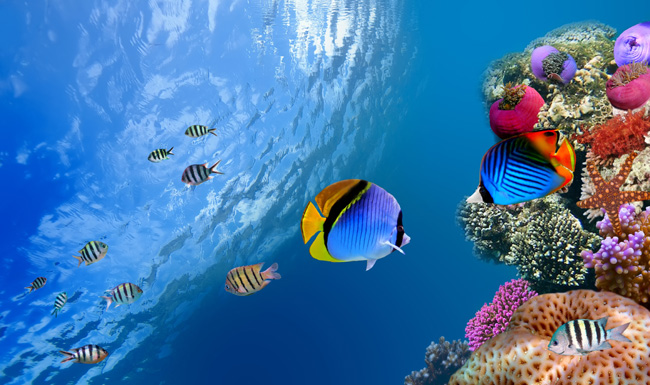
Fish Getting ‘Drunk’ From High Carbon Dioxide Levels: Study
By 2100, marine life in half the world’s surface oceans are expected to be affected by carbon dioxide intoxication, which is a condition known as hypercapnia.

Coverage Of The Global Young Scientists Summit 2016
Here are some of the top stories from the Global Young Scientists Summit 2016.

Cell Conversion? There’s An App For That
Mogrify is an algorithm that helps researchers predict the set of transcription factors required to convert one cell type into another.

Discovery Of Most Powerful Supernova To Date
Researchers have observed a super-luminous supernova explosion which is twice as powerful as the previous record holder.

Fatty Acid Balance During Pregnancy Affects Offspring’s Brain
Fish, an excellent source of omega-3 fatty acids, have been found to have a beneficial effect on fetal brain formation within the womb.

NSF Report Describes China’s Meteoric Rise In R&D
According to the National Science Board Science and Engineering Indicators 2016 report released this week, Asia now accounts for 40 percent of global R&D, with China leading the pack.

How A Velcro-Like Malarial Protein Hijacks Immune System
The structure of the malarial protein involved in rosette formation could help scientists develop treatments for symptoms associated with severe forms of the disease.