


Asian Scientist Newsroom

ABOUT
Asian Scientist Magazine is an award-winning science and technology magazine that highlights R&D news stories from Asia to a global audience. The magazine is published by Singapore-headquartered Wildtype Media Group.
Stories by Asian Scientist Newsroom
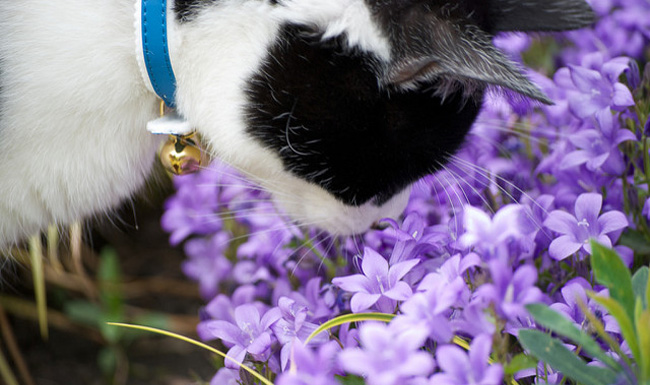
Smell Is A Democracy, Not A Dictatorship
Odors activate neuronal structures called glomeruli in the brain; the fruit fly's smell preference depends on most, if not all, of them.

Tarantula Venom Provides Clue To Irritable Bowel Syndrome Pain
Spider venom can help researchers identify new pain pathways and develop treatments for irritable bowel syndrome.
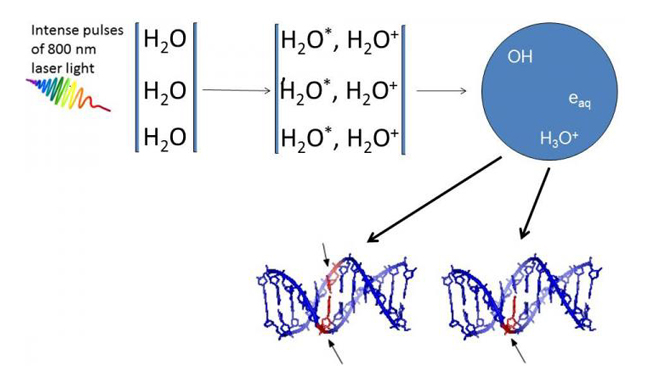
Breaking Up DNA, Lightsaber Style
Scientists in India have found that damage to DNA can be induced by ultra-short pulses of high-intensity laser light.

Chinese Neuroscientist Wins Gruber Neuroscience Prize
Poo Mu-Ming, director of the Institute of Neuroscience in Shanghai, is being honored for his seminal discoveries in brain plasticity.

Ultragenyx, Takeda To Develop Drugs For Rare Genetic Diseases
Ultragenyx and Takeda will work together to develop and commercialize therapies for rare genetic diseases.

What Sustains The Earth’s Magnetic Field?
Researchers have shed light on how heat is conducted by the inner and outer cores of the Earth to create its protective magnetic field.

A Bearded Dragon Displays Its True Colors On Its Neck Or Back
Bearded dragons are able to partition color change to specific body parts, depending on whether they are responding to temperature or communicating with other lizards.

Fast Or Slow, It Was Already Decided Before ‘Go’
Research suggests that runners’ neural activity just before the start of a race can predict miniscule variations in reaction times.

An Hour Of Driving A Day Leads To 2.3 kg Weight Gain: Study
Men are more likely to put on weight and have a 1.5 cm wider waist than women if they drive an hour or more a day.