


Asian Scientist Newsroom

ABOUT
Asian Scientist Magazine is an award-winning science and technology magazine that highlights R&D news stories from Asia to a global audience. The magazine is published by Singapore-headquartered Wildtype Media Group.
Stories by Asian Scientist Newsroom
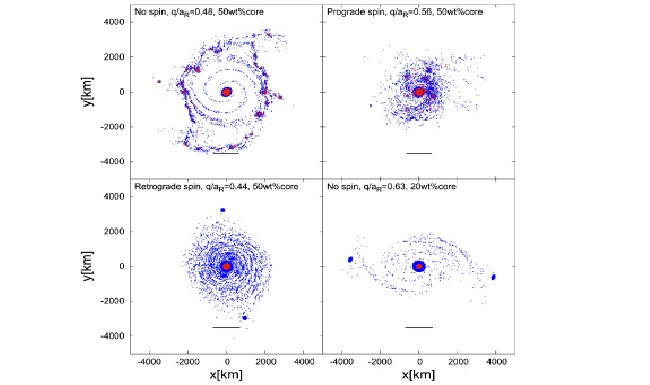
Forget Pokémon. Hunt For Centaur Rings Instead!
It is highly likely that minor planets called centaurs with rings or small moons exist, awaiting discovery by future observations.
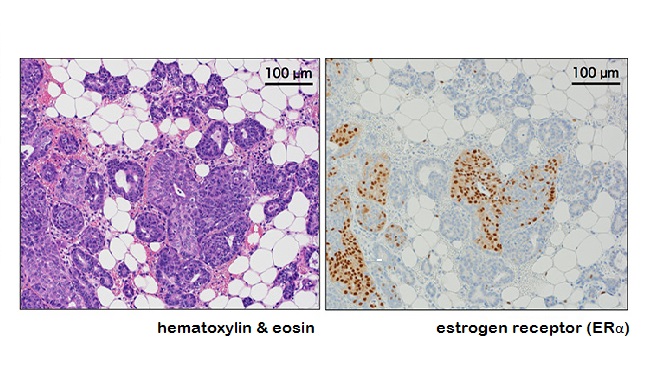
Gatekeeper Gene Suppressed Breast Cancer Tumors In Mice
The study was prompted by the discovery that Nrk-mutant mice frequently exhibited breast tumors after repetitive pregnancies or births.

RNA Editing Gone Awry Could Indicate Gastric Cancer
Proteins involved in RNA editing could potentially be used as biomarkers to detect gastric cancer at an early stage, a study finds.

Researchers Crowdsource For Novel Malarial Drugs
Once the domain of IT, researchers have adopted a crowdsourced approach to finding alternatives to artemisinin for malarial treatment.

Synthetic Oil Delayed ALS Symptoms In Mice: Study
A potential treatment may help delay motor neuron loss in amyotrophic lateral sclerosis, a disease brought into the spotlight by the ice bucket challenge.

One-Pot, Two-Step Synthesis For Organic Semiconductors
Scientists in Japan have discovered a simplified method to synthesize sulfur-based organic semiconductors more efficiently.

Nanoparticles Shaped Like Rods & Worms Enter Cell Nucleus More Easily
Nanoparticles shaped like rods and worms are most effective at broaching the barrier surrounding the cell nucleus, a study has shown.
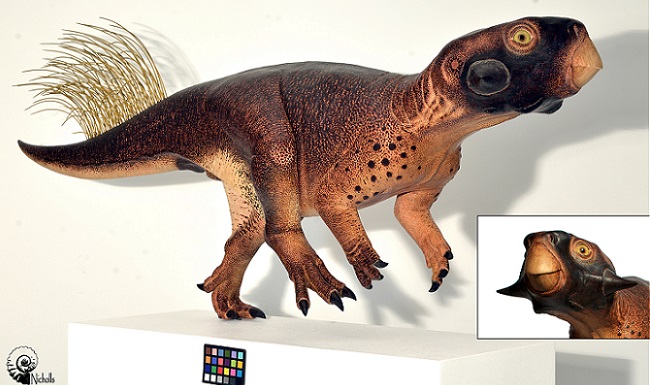
Laser Imaging Reveals Skin Color Of Triceratops’ Cousin
Laser imaging of Psittacosaurus, an early relative of Triceratops, suggests that it had lighter and darker areas of skin that worked as a camouflage of sorts.

You Could Be Getting Antibiotic Resistance Genes From Your Chicken Dinner
Researchers have found that certain antibiotic resistance genes are easily transferred from one bacterial species to another, and can move between farm animals and the human gut.