Asian Scientist Newsroom
ABOUT
Asian Scientist Magazine is an award-winning science and technology magazine that highlights R&D news stories from Asia to a global audience. The magazine is published by Singapore-headquartered Wildtype Media Group.
Stories by Asian Scientist Newsroom

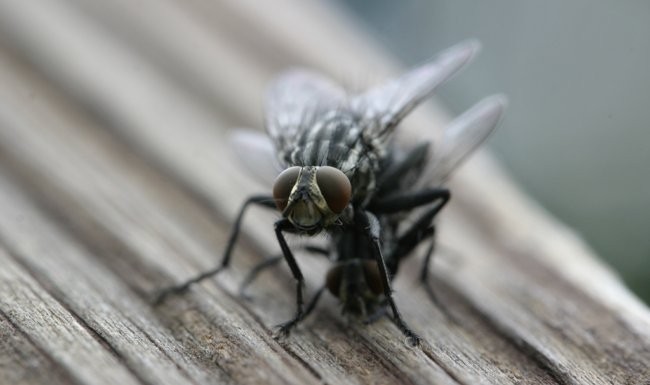
Why Some Flies Date But Don’t Mate
As the name suggests, fruit flies with the platonic mutation go through courtship rituals but fail to copulate. Scientists have found out why.
How Dying Cells Learn To Let Go
Live imaging of fly pupae has given us a peek into how dying cells are safely detached from the tissue they are embedded in.
Eisai Joins Access Accelerated To Tackle Non-Communicable Diseases
Eisai will participate in a global partnership of pharmaceutical companies to help accelerate access to health care in low and middle-income countries.
Asia’s Rising Scientists: Fatehah Mohd Omar
The road to success often involves hardship, but young researchers should think out of the box for creative solutions, says Dr. Fatehah Mohd Omar.
Salt Turns Ordinary Masks Into Virus Killers
Treating ordinary surgical masks with salt makes them capable of trapping and killing viruses like SARS.
US$13 Million Humanoid Robot Research Center Opens In South Korea
The Humanoid Robot Research Center aims to advance humanoid robot technology and foster research talent in the field.
Vaccination: A Cost-Effective Way To Prevent Rabies Deaths In India
A new study shows that over the course of five years, vaccinating 200,000 stray dogs a year would reduce rabies incidence in humans by 90 percent.
A Moth’s Built-In Pharmacy Inside Its Gut
The cotton leafworm caterpillar is protected from harmful bacteria by helpful bacteria that live in its gut.
NUS Teams Up With Alibaba Cloud & EZ-Link For Real-World Data Science
EZ-Link will provide the data while Alibaba Cloud has pledged US$500,000 in cloud credits.
Why Some Flies Date But Don’t Mate
As the name suggests, fruit flies with the platonic mutation go through courtship rituals but fail to copulate. Scientists have found out why.
How Dying Cells Learn To Let Go
Live imaging of fly pupae has given us a peek into how dying cells are safely detached from the tissue they are embedded in.
Eisai Joins Access Accelerated To Tackle Non-Communicable Diseases
Eisai will participate in a global partnership of pharmaceutical companies to help accelerate access to health care in low and middle-income countries.
Asia’s Rising Scientists: Fatehah Mohd Omar
The road to success often involves hardship, but young researchers should think out of the box for creative solutions, says Dr. Fatehah Mohd Omar.
Salt Turns Ordinary Masks Into Virus Killers
Treating ordinary surgical masks with salt makes them capable of trapping and killing viruses like SARS.
US$13 Million Humanoid Robot Research Center Opens In South Korea
The Humanoid Robot Research Center aims to advance humanoid robot technology and foster research talent in the field.
Vaccination: A Cost-Effective Way To Prevent Rabies Deaths In India
A new study shows that over the course of five years, vaccinating 200,000 stray dogs a year would reduce rabies incidence in humans by 90 percent.
A Moth’s Built-In Pharmacy Inside Its Gut
The cotton leafworm caterpillar is protected from harmful bacteria by helpful bacteria that live in its gut.
NUS Teams Up With Alibaba Cloud & EZ-Link For Real-World Data Science
EZ-Link will provide the data while Alibaba Cloud has pledged US$500,000 in cloud credits.