


Asian Scientist Newsroom

ABOUT
Asian Scientist Magazine is an award-winning science and technology magazine that highlights R&D news stories from Asia to a global audience. The magazine is published by Singapore-headquartered Wildtype Media Group.
Stories by Asian Scientist Newsroom

How A Protein Protects An Embryo From It’s Mother
The structure of a protein that hides embryos from the immune system of their mothers could help scientists design new immune-suppressing drugs.

How Healthy Cells Nip Cancer In The Bud
Healthy neighbors surrounding a pre-cancerous cell cause changes in its metabolism, ultimately forcing it out of the epithelial tissue.

Scientists Trace The Development Of New Immune Cell Type
In a comprehensive analysis of the complete dendritic cell lineage, researchers have identified a new type of immune cell that can be targeted for developing vaccines and immunotherapy.
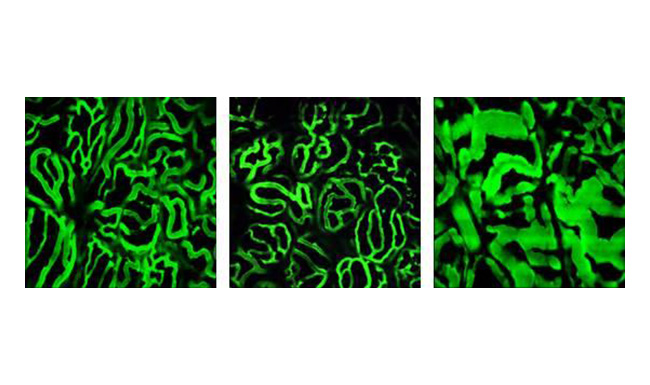
The Molecular Mechanisms Of Thyroid Disease
Blocking VEGF-A or its receptor could help prevent the remodelling of the thyroid gland associated with thyroid disease, scientists say.
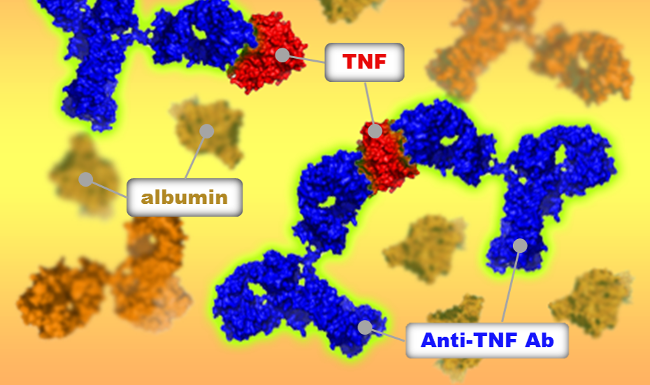
In Drug-Target Interactions, Size Matters
Scientists have developed a method that can discriminate how different drugs form complexes with their targets.
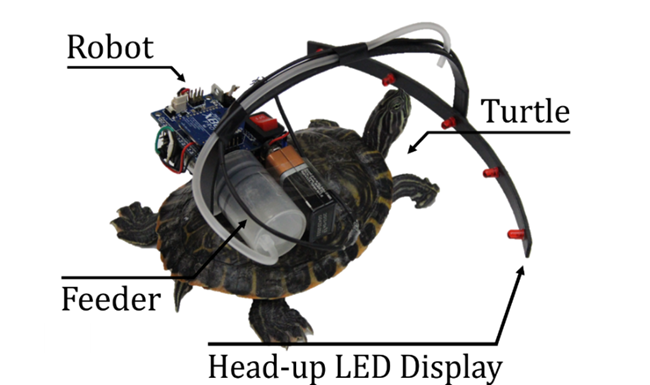
Training Turtles With Parasitic Robots
Researchers can control the movements of a turtle through a parasitic robot mounted on its carapace.
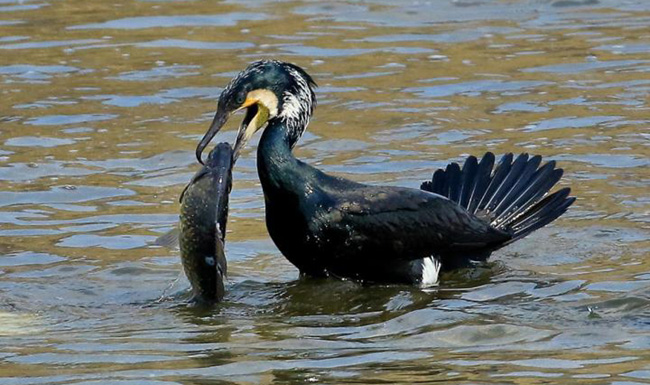
What Happens When Birds Of A Feather Poop Together?
A new study shows that even a small amount of bird poop is enough to produce noticeable changes in the nutrient conditions of the water.

Dirty Money! Banknotes Carry An Abundance Of Disease-Causing Bacteria
Researchers have found that banknotes harbor potentially pathogenic and antibiotic-resistant strains of bacteria.

Generic HepC Meds In India Really Pay Off
Using generic drugs to treat hepatitis C in India would increase patients' life expectancy by more than eight years and reduce lifetime healthcare costs by US$1,300.