


Asian Scientist Newsroom

ABOUT
Asian Scientist Magazine is an award-winning science and technology magazine that highlights R&D news stories from Asia to a global audience. The magazine is published by Singapore-headquartered Wildtype Media Group.
Stories by Asian Scientist Newsroom

Switch Solvent, Change Color
Researchers in South Korea have developed a carbon nanostructure capable of changing shape and color depending on the solvents used.

‘Breathing’ Skyrmions Could Be Used Beyond Memory Devices
The first ever observation of skyrmion ‘breathing’ paves the way for ultra-fast communications of the future.

Paying People Cash To Lose Weight Works
Paying participants in a weight loss program just US$160 can help them lose weight and keep the pounds off, study shows.

Stem Cell Transplantations Produce Mixed Results For Patients With STAT1 Mutation
Stem cell transplants were able to cure five patients with STAT1 mutations, but killed nine out of 15 subjects studied.

Eating In Front Of A Mirror Makes Food Taste Better
Eating in front of a mirror—or even with a picture of yourself eating—makes food more appealing, a new study suggests.

Transforming Rusty Steel Into Batteries
Scientists have successfully converted rusty stainless steel mesh into stable, low-cost electrodes for potassium-ion batteries.
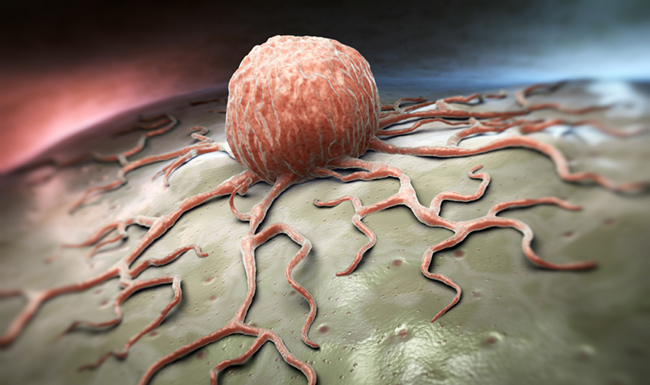
A Potential Biomarker For Aggressive Brain Cancer
Researchers have found that the levels of a protein called BCL6 can be used to identify patients with glioblastoma multiforme, a particularly aggressive type of brain cancer.

Male Farmers In Malaysia More Prone To ‘Monkey Malaria’
A new study suggests that adult male farmers in Malaysia are four times more likely to contract ‘monkey malaria’ than other members of their community.

Duck-Billed Dinosaur Is Japan’s Largest Complete Fossil
The 8-meter-long Mukawa dragon is the largest complete dinosaur fossil to be unearthed in Japan to date.