


Asian Scientist Newsroom

ABOUT
Asian Scientist Magazine is an award-winning science and technology magazine that highlights R&D news stories from Asia to a global audience. The magazine is published by Singapore-headquartered Wildtype Media Group.
Stories by Asian Scientist Newsroom

Avatars For Personalized Cancer Treatment
Researchers have grown micro-tumor models using patients’ cancer cells to identify more effective treatments for drug-resistant tumors.

The Secret To A Sound Sleep Lies In Sugarcane
A substance commonly found in sugarcane, rice bran and wheat germ can reduce stress and restore sleep in mice.

Nanocapsules Selectively Sequester Sucrose
Researchers in Japan have developed a nanocapsule that recognizes and encapsulates sucrose while excluding other natural sugars.

Seeing Beyond The Bacterial Cell Wall
Live cell imaging shows that membrane vesicles can squeeze through tiny holes in the thick cell walls of Gram-positive bacteria.

Meat Lovers May Be At Higher Risk Of Diabetes
Eating more red meat and poultry increases the risk of diabetes, partially due to the higher iron content in these meats.

The Science Of Sprouting New Blood Vessels
Biologists have discovered a key regulator of blood vessel formation in both normal and cancerous cells.
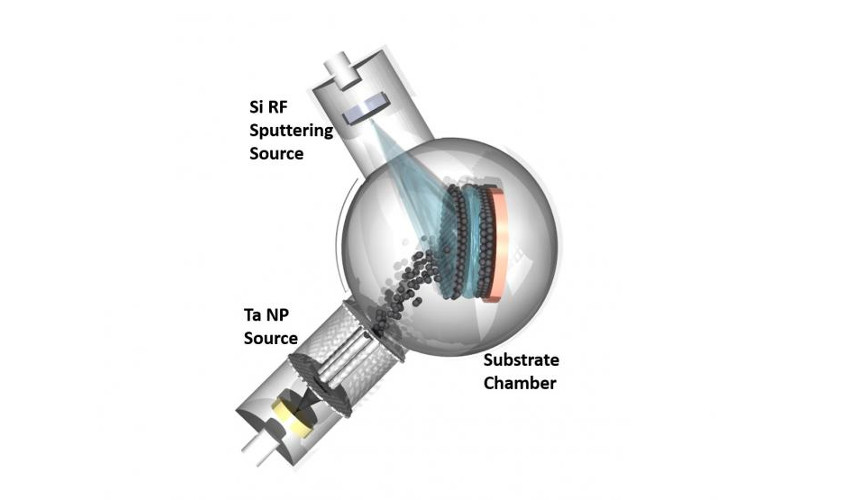
Layers Of Silicon Boost Battery Power
Using a method known as cluster beam deposition, scientists have created silicon nanolayer anodes that boost the power performance of lithium batteries.

Creating Eco-Friendly Rechargeable Batteries
Scientists in Singapore have developed an environmentally friendly, highly conductive organic compound that can be used in rechargeable batteries.

Prenatal Dietary Deficiencies Linked To Schizophrenia Risk
Scientists in Japan have discovered that the lack of omega-3 and omega-6 fatty acids in the prenatal diet is linked to schizophrenic symptoms in offspring.