


Asian Scientist Newsroom

ABOUT
Asian Scientist Magazine is an award-winning science and technology magazine that highlights R&D news stories from Asia to a global audience. The magazine is published by Singapore-headquartered Wildtype Media Group.
Stories by Asian Scientist Newsroom

A Hydrogel That Says NO To Arthritis
Scientists have developed a hydrogel that could be used to absorb extra fluids in swelling joints and release drugs to treat arthritis.

How Can China Afford Its Science And Technology Goals?
China has embarked on a series of techno-industrial upgrades, shifting its growth model into high-end value-added manufacture.
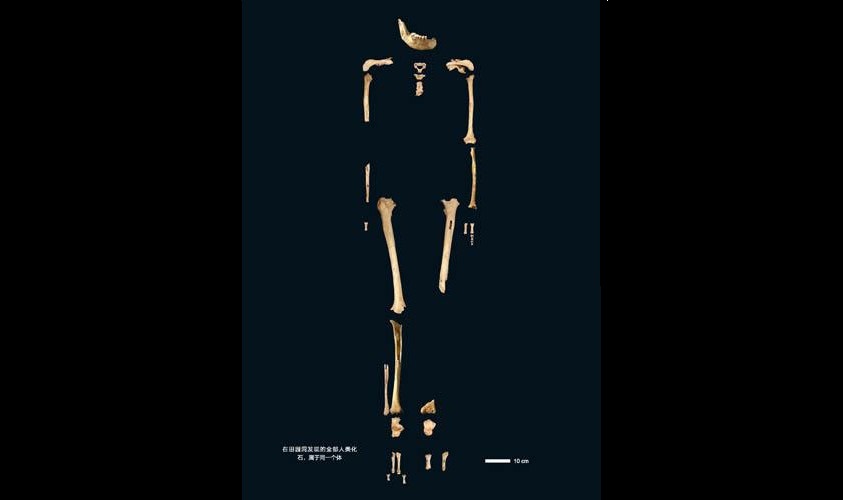
40,000-Year-Old Genome Reveals Patterns Of Early Human Migration
Genome-wide data from a 40,000-year-old man in China has revealed the complicated genetic history of Asia.

RAGE Is Responsible For Absorbing Oxytocin In Breastmilk
Scientists have solved the mystery of how oxytocin in breastmilk crosses the gut to reach the bloodstream of baby mice.

What Photosynthesis Looks Like From Space
Scientists have utilized satellite imagery to quantify plant metabolism.

India Announces Fellowships For South Asian Researchers
The 2018-India Science and Research Fellowship scheme fully funds 200 scientists from South Asia to carry out research at Indian academic institutions for up to six months.

Generating Hydrogen Fuel From Water And Sunlight
Researchers have developed a hydrogen catalyst based on carbon nitride and black phosphorus instead of expensive precious metals.
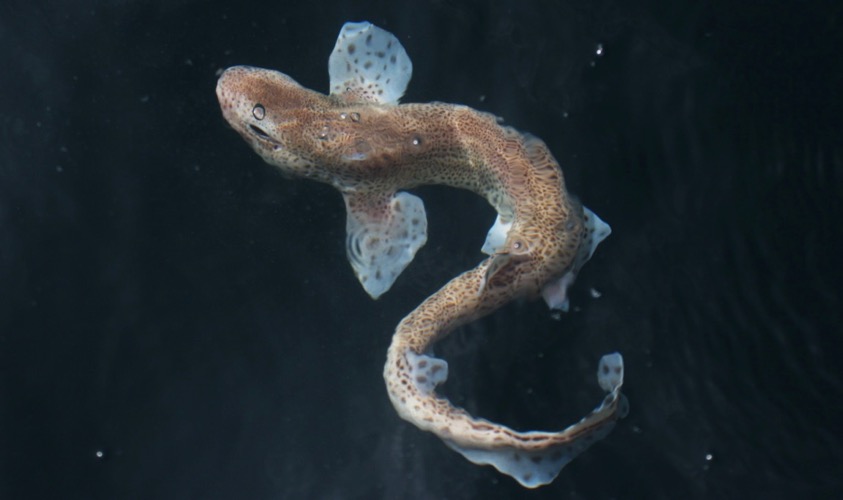
Sharks Form Fins Like Other Vertebrates Do
By studying the catshark embryo, scientists in Japan showed that cartilaginous fish develop limbs and muscles in the same way as bony fish and land vertebrates.

How Flaws Create The Perfect Fish Eye
Using mathematical modeling, scientists in Japan have revealed how light-sensing cone cells in the fish eye eventually adopt a specific pattern.