


Asian Scientist Newsroom

ABOUT
Asian Scientist Magazine is an award-winning science and technology magazine that highlights R&D news stories from Asia to a global audience. The magazine is published by Singapore-headquartered Wildtype Media Group.
Stories by Asian Scientist Newsroom
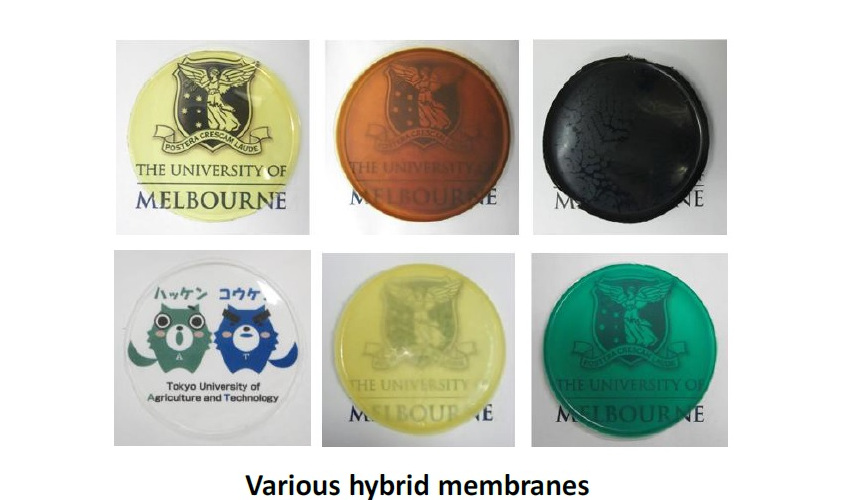
Material Choice Key To Effective Carbon Capture
The choice of material is important for the selective capture of carbon dioxide from industrial gas streams in real-world scenarios.

Flower Disguises As Mushroom To Get Pollinated
Scientists in Japan have discovered that the flowers of the ‘cast iron plant’ mimic mushrooms to attract fungus gnats, which assist with pollination.

Mouth Bacteria Can Mess Up The Gut
Researchers in Japan have demonstrated that oral bacteria can colonize the gut and contribute to inflammatory bowel disease.

Japan Scales Up Particle Physics Research
The Next-generation Neutrino Science Organization will oversee the Hyper-Kamiokande nucleon decay and neutrino experiment.

A Searchlight For Diseased Tissues
Scientists have created nanoparticles that are 20 to 120 times more sensitive than existing disease imaging methods.

Owl Eyes Inspire Brighter Light Displays
Inspired by the retroreflective characteristics of the eyes of nocturnal animals, researchers have created a brighter flexible electroluminescent film.

CRISPR Caught In The Act
Using high-speed atomic-force microscopy, scientists in Japan have observed how the CRISPR/Cas9 complex cuts DNA in real-time.

Using Proteins To Protect Proteins
By using bacterial proteins as a protective shell, researchers in Singapore have developed a method to improve the yield of target proteins by 100-fold.

Chinese Paleontologist Wins 2018 L’Oréal-UNESCO Science Award
Fish paleontologist Professor Chang Meemann has won the 2018 L'Oréal-UNESCO For Women in Science Award