


Asian Scientist Newsroom

ABOUT
Asian Scientist Magazine is an award-winning science and technology magazine that highlights R&D news stories from Asia to a global audience. The magazine is published by Singapore-headquartered Wildtype Media Group.
Stories by Asian Scientist Newsroom

Dams Threaten Chinese Sturgeon Population, Scientists Say
Scientists have found that the Yangtze dams have precipitated an ongoing decline of the Chinese sturgeon, a critically endangered fish.

Growing Skin Grafts Without Animal Contamination
Scientists have developed a human protein matrix to culture skin cells, removing the need for animal-derived components used in existing culture systems.

7 Must-Read Stories In October 2018
October was Nobel season—check out our stories on Physiology or Medicine laureates Professor Tasuku Honjo (2018) and Sir Richard J. Roberts (1993).

Different Shades Of Blue: A Closer Look At Depression
Researchers have identified three subtypes of depression, including one that is unresponsive to commonly prescribed anti-depression drugs.

Informing The Search For Superconducting Materials
Scientists in Japan have used data science methodologies to discover and develop superconducting materials.

HKU President Awarded The Eringen Medal
Professor Zhang Xiang was recognized for his contributions to micro- and nanoscale engineering, which has applications in microelectronics and photonics.
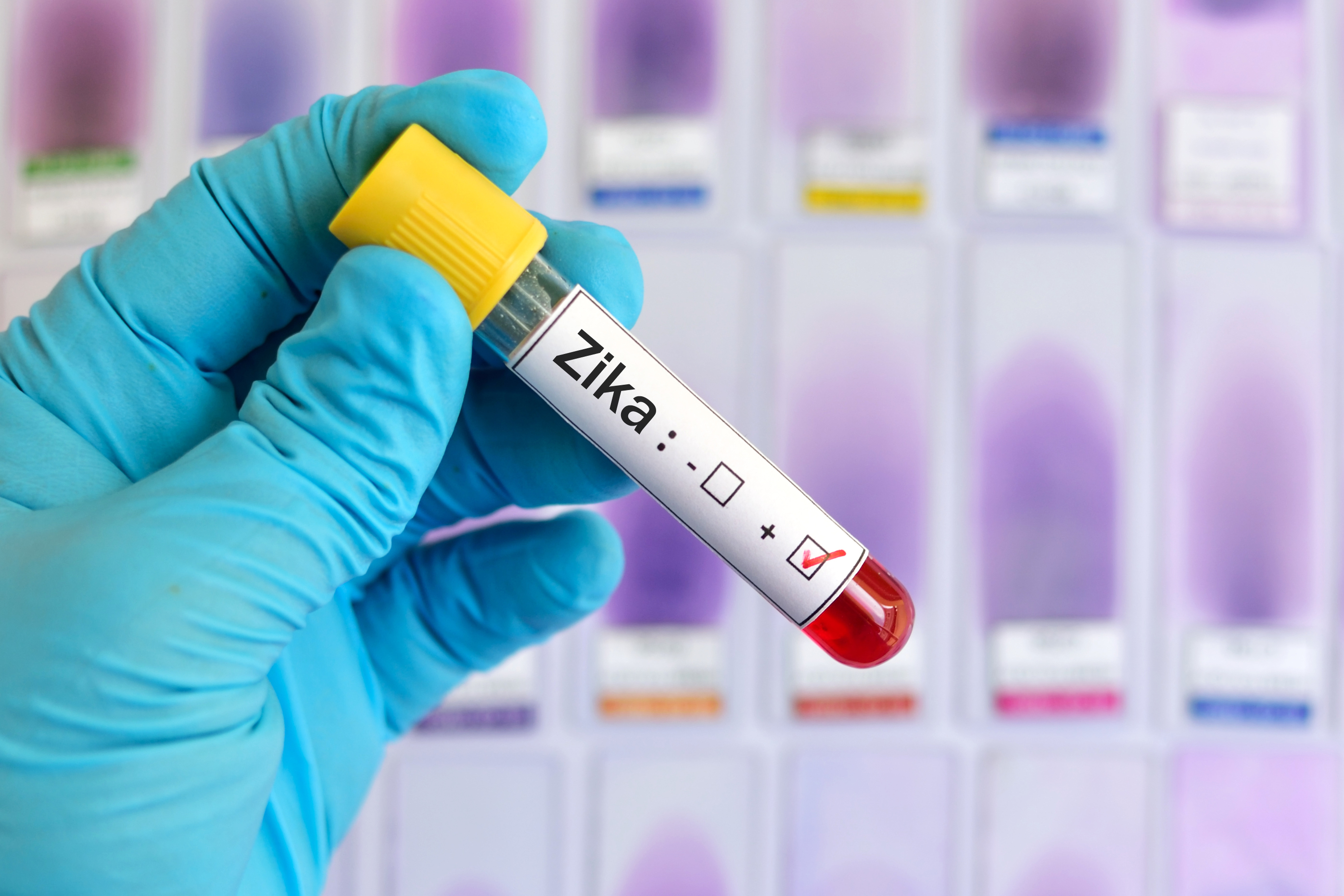
Targeting The Achilles’ Heel Of Zika Virus
Singapore-based scientists have engineered a peptide that can rupture the Zika virus membrane and pass through the blood-brain barrier, making it a potential therapeutic against the disease.

How Plants Save Energy At Night
Using a fluorescent probe that tracks ATP levels in real time, an international team of plant scientists has identified a mechanism by which chloroplasts maintain energy efficiency.

WuXi And CECD Join Forces To Create Big Data Solutions For Healthcare
The joint venture will use big data, cloud computing and artificial intelligence to advance research in healthcare and pharmaceuticals.