AsianScientist (Aug. 6 2015) – By Rebecca Tan – Rightly or wrongly, the image that often comes to mind when one hears the word ‘academic’ is of a bespectacled professor hidden behind a messy stack of books or papers, coming up with brilliant hypotheses but ever-so-slightly out of touch with reality.
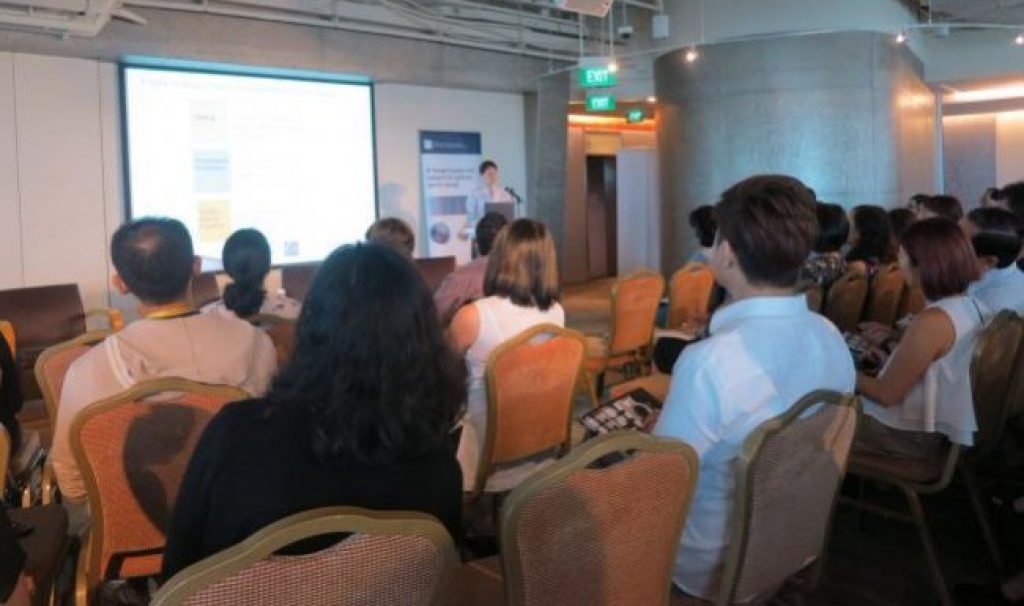
Research being done at the Singapore Management University (SMU) is out to change that impression. The Lien Centre for Social Innovation (LCSI), a partnership between the Lien Foundation and SMU, recently launched a series of applied research initiatives. Under the umbrella of its SMU Change Lab, it seeks to understand the challenges of vulnerable groups, directly engaging with them to formulate policies and help solve their problems.
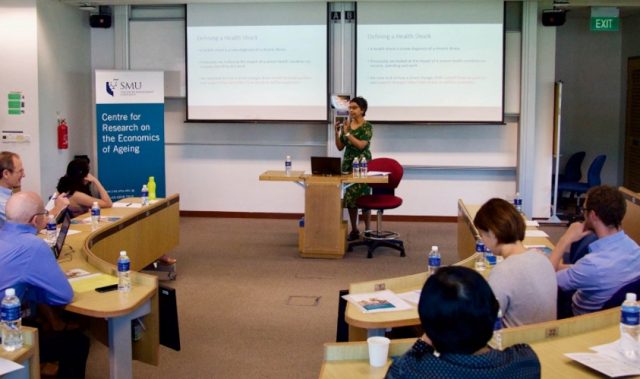
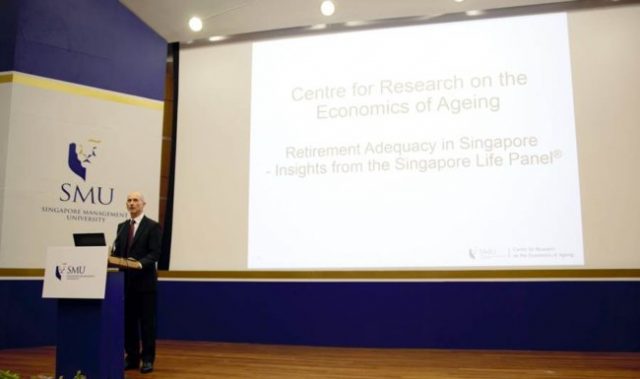
At the launch event held on 26 June at SMU, LCSI researchers released a set of three reports on vulnerable groups in Singapore: single-parent families, people with physical disabilities, and the elderly. Freely available online, the three publications are a follow-up to A Handbook on Poverty, Inequality and Unmet Social Needs in Singapore, a report which was published in March 2015 by LCSI.
Considering the life course
In a panel discussion held concurrently with the conference, representatives from various groups involved with vulnerable communities discussed the findings and implications of the reports.
Moderated by Dr Tan Chi Chiu, chairman of LCSI, the panel consisted of Dr Vivienne Wee, research and advocacy director, Association of Women for Action and Research (AWARE); Ms Chia Ai Ling, programme director, SG Enable; Mr Edwin Yim, director, AWWA Family Service Centre; and Mr Keith Lee, director, AWWA Elderly Services.
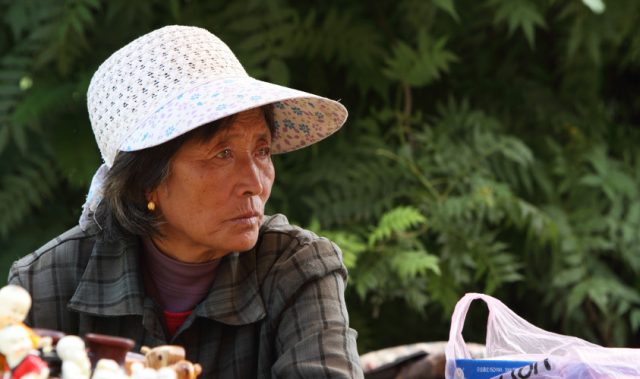
Thanking the researchers for their relevant and concrete data, Dr Wee noted that all three groups of vulnerable people faced a universal problem—ageing.
“The elderly are not a static group. Whether disabled or able-bodied, single-parent or not, everybody eventually becomes the elderly. I think the three groups need to be integrated in terms of a life course approach.”
As disabled people age, so do their caregivers, Dr Wee said. “Who will care for them after their parents die?” she asked. Similarly, she noted that single-parents are unable to return to the workforce or undergo skills upgrading due to childcare commitments, which eventually result in financial problems when they grow old.
Who is a caregiver?
In Singapore, like much of the rest of Asia, caregiving for the elderly has traditionally been assumed to be the main responsibility of the family, the panelists noted.
However, Ms Chia questioned whether family members are always the ideal caregivers, pointing out that they are unlikely to have the training required to handle patients needing special care.
Agreeing, Dr Wee added that nurses are trained professionals, yet untrained family caregivers are expected to assume that role. She also noted that all caregivers interviewed in the reports were women.
While domestic workers provide immense support to Singaporean families, Mr Yim described his philosophy of caregiving as one that is carried out pro bono by a family member. “I hold quite a traditional view of the word ‘caregivers’. I would prefer to call caregivers the family members who do it for free,” he said.
At the same time, Ms Chia also called for the definition of caregiving to be extended, so that the parent working to provide for his or her family can also be considered a caregiver.
Whoever the caregivers might be, the panellists all agreed that more should be done to look into their welfare.
“More attention has to be given to the person providing the caregiving because they might face their own burnouts and stressors, which ultimately compromise their own personal development,” said Mr Yim.
The role of the caregiver is so important that SG Enable, an agency dedicated to enabling persons with disabilities, has been given a grant to study caregivers as the primary group and how best to address their needs, said Ms Chia.
Top down or bottom up?
The panel noted that although policy makers have been taking steps to help single-parent families and other vulnerable communities, there needed to be greater social involvement and advocacy in tackling the complexities that these groups face.
While acknowledging that some issues are beyond a single organisation’s capacity to handle, Dr Tan said the community must move away from the mindset that solutions have to be top-down and government-led. Initiatives like the SMU Change Lab could fulfill the role of facilitating, investigating and catalysing action, he said.
In closing the panel dialogue, Dr Tan said, “We have said that we are going to be acting at the intersection between the community, the state, the non-profit sector and even the corporate sector, and I would like to say that Lien Centre stands at this nexus point.”
The Straits Times has written a 1-page spread on the three articles. A SMU Perspectives write up of the SMU Change Lab launch can also be found here.
Asian Scientist Magazine is a media partner of the Singapore Management University Office of Research.
———
Copyright: SMU Office of Research. Read the original article here; Photo: Cyril Ng.
Disclaimer: This article does not necessarily reflect the views of AsianScientist or its staff.