AsianScientist (May 26, 2014) – Researchers from the University of Wollongong hope to combine industrial seaweed farming and 3D printing to make biocompatible medical implants.
Seaweed extracts are already commonly used in goods as diverse as toothpaste, skin care products, paint, ice cream and salad dressing. However, research in the field of glycobiology – the study of complex sugars called glycans in living organisms – has shown that seaweed could also play a major role in the development of new biologically active materials for medical treatments.
Gel molecules taken from seaweeds are ideal candidates for medical implants and tissue engineering because they provide the necessary structural support and have also been found to inhibit microorganisms such as viruses, bacteria and fungi.
“These gels are highly cell compatible and even stimulate the health and development of human stem cells. In the instance of looking for new polymer materials for medical implants, seaweeds are a key candidate for the source of such materials,” said Dr. Pia Winberg, director of the University of Wollongong’s Shoalhaven Marine & Freshwater Center.
The development of seaweed cultivation opportunities for Australia has been considered sporadically in the past decades, but in 2009, a strategic network of researchers and industry people under the umbrella of Seaweeds Australia, hosted at Shoalhaven, focused on the missing links in making such an industry a reality. Winberg is now continuing this initiative to create a seaweed industry through the start-up operation Venus Shell Systems Pty Ltd.
A recently established collaboration with UOW’s Intelligent Polymer Research Institute (IPRI) will investigate how seaweeds can be harnessed for medical research, particularly in 3D printed implants. Alginate, an extract from brown seaweeds, has already been used as a cell carrier by IPRI scientists and their partners at St Vincent Hospital Melbourne to aid regrowth of diseased and injured tissue.
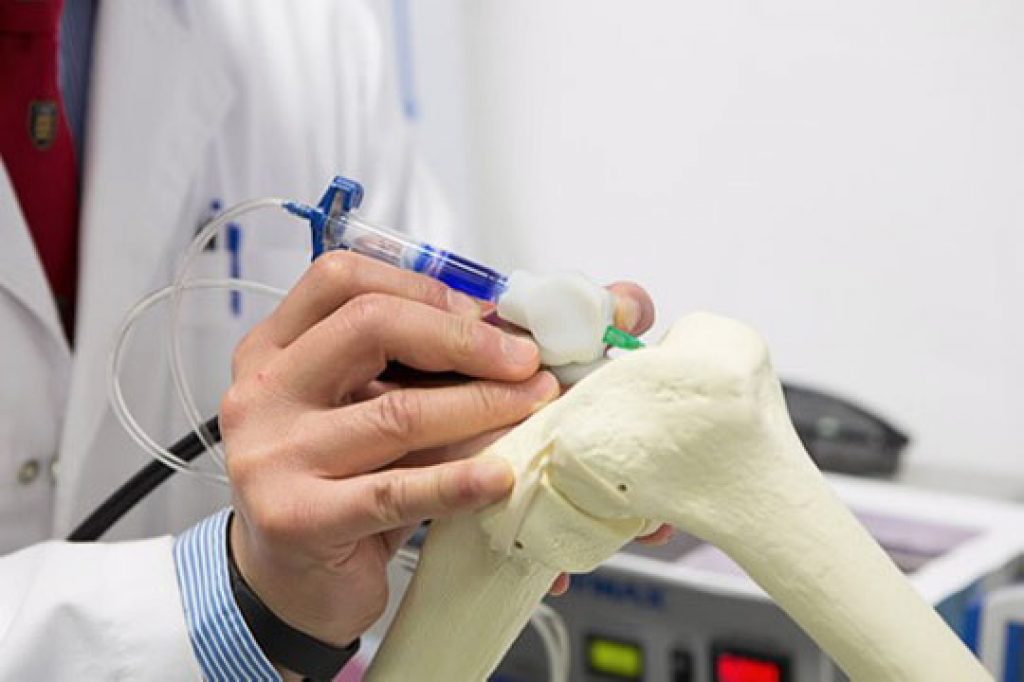
Other gels known as ulvans will be studied for use as a cell carrier in the recently launched BioPen, which will enable orthopaedic surgeons to deliver live cells and growth factors directly to the site of injury, accelerating the regeneration of functional bone and cartilage.
Winberg said the unique properties of ulvans could be used to treat medical conditions such as metabolic/diabetic stress or skin cancer by inhibiting the enzymes that release sugar and reducing tumor growth respectively. Ulvan gels could also be used as next-generation antiviral and anti-inflammatory agents.
IPRI Director Professor Gordon Wallace said, “The ability to tailor the source of biopolymer supply enables highly effective integration into emerging fabrication techniques such as 3D printing and fibre spinning”.
Farming seaweed also provides environmental and economic benefits. Seaweeds strip waste products such as carbon and nitrogen from the ocean and are being used around the world to absorb nutrient inputs from aquaculture and coastal industrial sources. They can also be used to oxygenate water and overcome localized ocean acidification.
“Our seaweed production systems actually strip concentrated CO2 directly from industrial sources – thus increasing the rate of biological carbon uptake and shifting carbon to the biosphere instead of the atmosphere,” Winberg said. “We will also take waste streams of nitrogen from clean industry sources, which would otherwise be lost in the catchment.”
——
Source: University of Wollongong.
Disclaimer: This article does not necessarily reflect the views of AsianScientist or its staff.