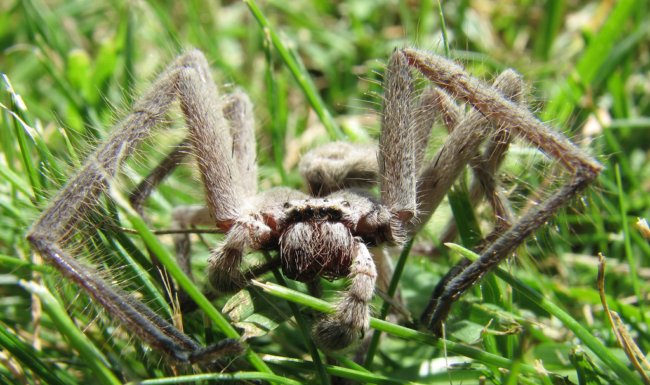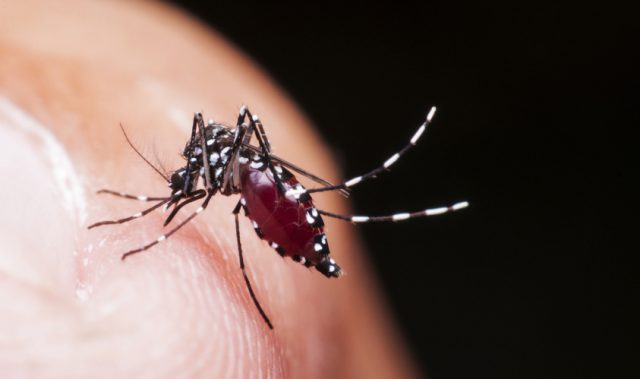
Asian Scientist (Sep. 17, 2013) – University of Queensland researchers have found a natural component of Australian tarantula venom that is more potent against certain insect pests than existing chemical insecticides.
The researchers, led by Professor Glenn King and Dr Maggie Hardy, identified a toxin known as OAIP-1 that is lethal if eaten by the cotton bollworm or termites.
Professor King said OAIP-1 could be developed into an environmentally friendly insecticide.
“There is an urgent need for new insecticides due to insects becoming resistant to existing products and others being deregistered due to perceived ecological and human health risks,” Professor King said.
“Cotton bollworms cause major economic damage to crops and the toxin we have isolated is more potent against these insects than existing chemical insecticides.
“OAIP-1 is also orally active, meaning insects just have to eat the toxin in order for it to work.”
Dr Hardy said numerous insecticidal toxins have already been isolated from spider venom but very few of these have been tested to determine whether they are orally active, a vital property for an effective insecticide.
In their study, published in PLOS ONE, the team screened toxins from spider venom for oral activity and isolated OAIP-1, which shows the highest oral activity reported to date for an insecticidal venom toxin.
“Our study indicates it is possible to insolate insecticidal compounds with high levels of oral activity from the venom of spiders and most likely other venomous animals that prey on insects, such as centipedes or scorpions,” Dr Hardy said.
“The next step is to determine the safety of OAIP-1 for non target organisms, including pollinators, like bees, as well as natural enemies of insect pests such as ladybird beetles.
The article can be found at: Hardy et al. (2013) Isolation Of An Orally Active Insecticidal Toxin From The Venom Of An Australian Tarantula.
——
Source: University of Queensland; Photo: Hugo Quintero/Flickr/CC.
Disclaimer: This article does not necessarily reflect the views of AsianScientist or its staff.