AsianScientist (Apr. 24, 2011) – Ischemic retinopathy, the degeneration of the retina due to loss of blood flow, is one of the leading causes of blindness.
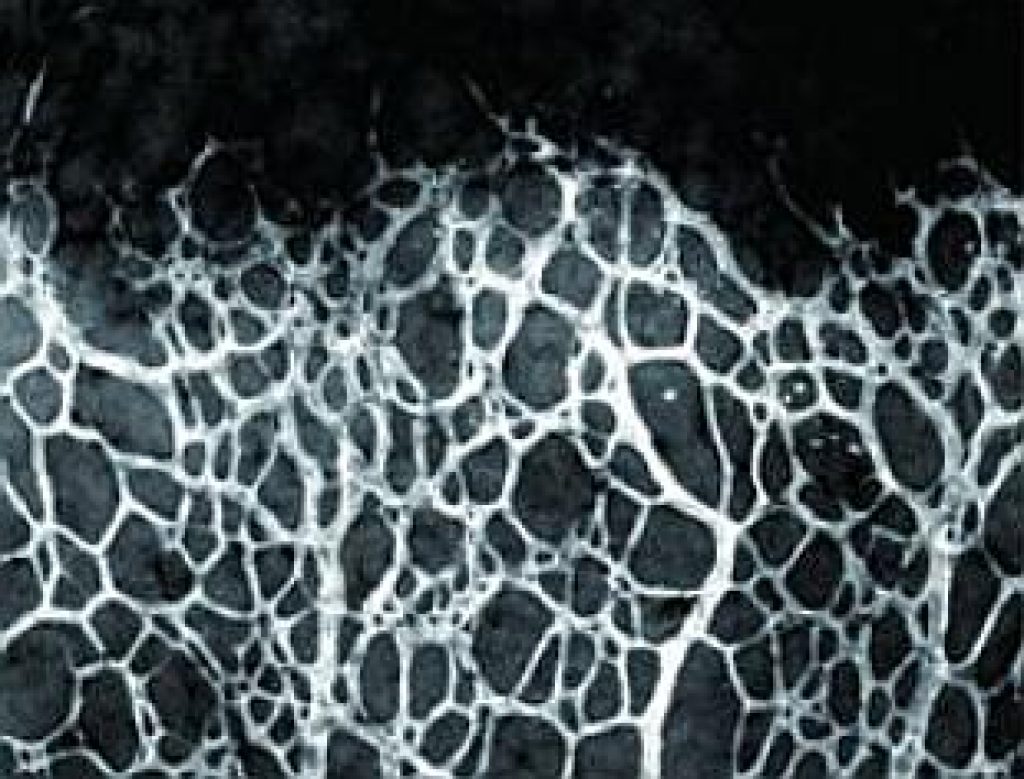
In this condition, a lack of oxygen from ischemia drives an overgrowth of blood vessels, which does not alleviate the lack of oxygen and instead causes hemorrhaging or retinal detachment.
Strategies to treat ischemic retinopathy include pharmacological inhibition of vessel growth, but an alternative might be to direct and control growth in a way that would restore normal blood supply to the retina.
In the latest issue of Journal of Clinical Investigation, Akiyoshi Uemura and colleagues of RIKEN and Kobe University Graduate School of Medicine in Kobe, Japan, hypothesized that the signals that direct normal vascular development in the retina might help counteract the disordered growth that occurs after ischemic injury.
They found that during development of the retina in mouse, a neuron-derived protein called Sema3E signals through a receptor called PlexinD1 to direct normal blood vessel organization.
Remarkably, intravitreal injection of Sema3E protein into the eyes of adult mice selectively suppressed extraretinal vascular outgrowth without affecting the desired regeneration of the retinal vasculature after injury.
The researchers are hopeful that these findings will help develop new vascular regeneration therapies that guide angiogenesis precisely toward the ischemic retina.
The article can be found at: .
——
Source: RIKEN.
Disclaimer: This article does not necessarily reflect the views of AsianScientist or its staff.