AsianScientist (Feb. 1, 2013) – An international team of researchers have found that prehistoric sources of carbon dioxide are released into the atmosphere when oil palm plantations are created. The findings throw into doubt hopes that increasing the production of biofuels like palm oil can help cut greenhouse gas emissions.
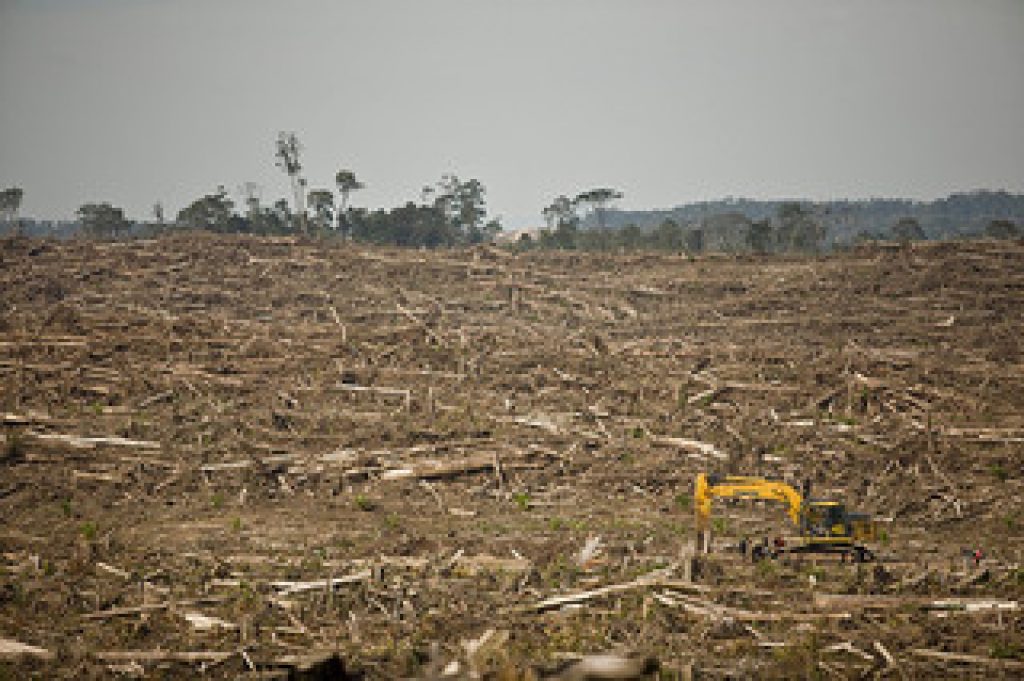
In their study, published in Nature, the scientists found that deforestation of peat-swamps for the purpose of growing oil palm trees results in the release of carbon which had been locked away for thousands of years. It is feared that this carbon will be attacked by microbes to produce carbon dioxide, a greenhouse gas and major contributor to climate change.
According to the researchers, the ancient carbon comes from deep within the soil. As deforestation takes place, the soil is broken down, causing carbon to dissolve into nearby water channels.
“We first noticed that the ditches draining areas converted to palm oil plantations were loaded with unusually high levels of dissolved carbon back in 1995,” said Prof. Chris Freeman, an author of the study.
The researchers took samples from water channels in Malaysian palm oil plantations that had originally been peatland swamp forest. They then used carbon-14 dating techniques to determine the age of the carbon found in the water.
“We were amazed to discover that the samples from Malaysian oil palm plantations contained the oldest soil-derived dissolved organic carbon ever recorded,” said Dr Tim Jones, a member of the study team.
The discovery of this “hidden” source of greenhouse gas lends support to calls for conserving peatlands in Southeast Asia. There are approximately 28,000 square kilometers of industrial plantations in peninsular Malaysia, Sumatra and Borneo with even more planned, making them a major contributor to peatswamp deforestation in the region.
“We have known for some time that in Southeast Asia, oil palm plantations were a major threat to biodiversity, including the habitat for orang-utans, and that the drainage could release huge amounts of carbon dioxide during the fires seen there in recent years,” said Prof. Freeman.
“Our results are yet another reminder that when we disturb intact peatswamps and convert them to industrial biofuel plantations, we risk adding to the very problem that we are trying to solve.”
The article can be found at: Moore at al. (2013) Deep Instability Of Deforested Tropical Peatlands Revealed By Fluvial Organic Carbon Fluxes.
——
Source: Bangor University. Photo: David Gilbert/RAN/Flickr/CC.
Disclaimer: This article does not necessarily reflect the views of AsianScientist or its staff.