


The Asian Scientist 100
Institution
Kyoto University
Country
Japan
Field
Chemistry
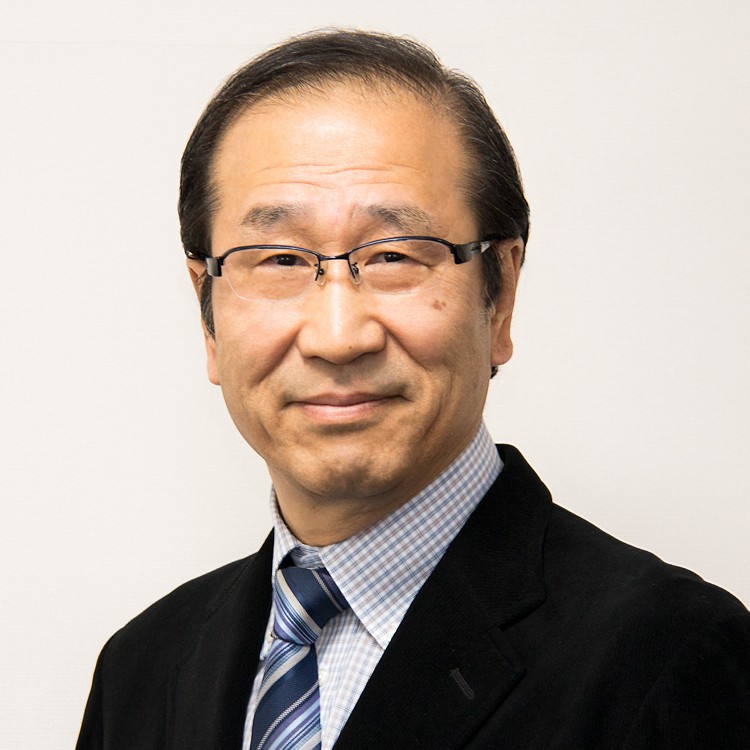
Kitagawa shared the Nobel Prize in Chemistry with Richard Robson and Omar M. Yaghi for pioneering the development of metal–organic frameworks (MOFs), a new class of porous crystalline materials built from metal ions linked by organic molecules. These structures form highly ordered frameworks containing large cavities that can be engineered to capture, store or separate specific molecules.
Kitagawa’s seminal work established the functional chemistry of MOFs, including the discovery of flexible or “soft” porous frameworks that dynamically respond to external stimuli such as gas adsorption. His research opened new directions in materials science, enabling applications in gas storage, carbon capture, catalysis and sensing. Today, MOFs represent one of the most intensively studied classes of materials, with transformative potential for energy, environmental sustainability and industrial chemistry.
(Photo: Kyoto University)
- Nobel Prize in Chemistry (shared)

A Molecular Sieve for Carbon Dioxide

Scientists Develop Polymer That Glows When It Detects Carbon Dioxide Gas

A Porous Material That Remembers Its Shape
