Trend #2: Turning knowledge into wisdom
With the increased use of medical imaging, wearable technology and IoT sensors in the healthcare sector, the amount of patient data being generated is exceeding the pace at which it can be analyzed. Data on its own is a store of knowledge, but medical wisdom lies in deriving actionable insights that result in better health outcomes for patients.
Artificial intelligence
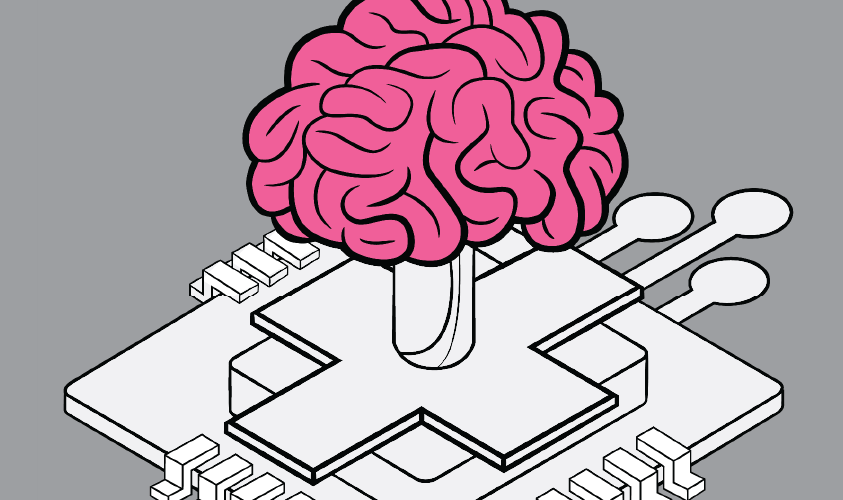
Thousands of X-ray and MRI images are generated by hospitals every day, and each has to be screened by a trained pathologist before a diagnosis can be made. To overcome this critical bottleneck, doctors are beginning to rely on artificial intelligence (AI) that is capable of distinguishing normal, healthy tissue in medical images from diseased ones.
Chinese tech giant Alibaba, for one, is making its AI platform—ET Medical Brain—available to doctors, helping them identify tumors in medical images. In addition, Chinese genomics company BGI is applying AI to genomic screening, which could help reveal disease mechanisms and advance the field of precision medicine.
Electronic health records on a blockchain

Most well known as the technology underlying Bitcoin, blockchain serves as a distributed and incorruptible record of cryptocurrency transactions. Applied to electronic health records, blockchain can similarly serve as an undisputable ‘digital passport’ of a person’s health status that is agnostic to healthcare provider.
Hence, Taiwan’s Taipei Medical University Hospital and blockchain innovation firm Digital Treasury Corporation have launched a blockchain-based personal healthcare record operating system. The platform facilitates the sharing of health data in a secure manner among patients, hospitals and insurance companies. Importantly, users of this operating system get to decide, via smart contracts, who has access to their health data and how their data is used.