AsianScientist (Nov. 22, 2017) – A team of researchers in Japan and Australia evaluated the performance of hybrid mixed matrix membranes used to capture carbon dioxide (CO2) under realistic conditions of complex industrial gas streams. They published their findings in the Journal of Membrane Science.
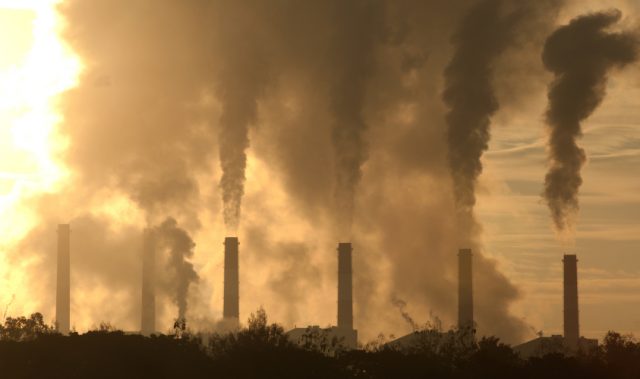
CO2 capture remains a priority in many countries as the world seeks to address climate change. In particular, the most recent report from the Intergovernmental Panel on Climate Change shows that geological storage of carbon dioxide is required for all scenarios that can meet 430-550 ppm CO2 atmospheric concentrations.
Membrane technology is one approach being investigated globally for the cost-effective capture of carbon dioxide. However, to be successful, the membrane materials need to have high gas permeability and selectivity, as well as long-term performance stability.
Although a large number of gas separation membrane materials have been reported for CO2 capture in the last few decades, most have been tested under ideal conditions. Real industrial gas streams, on the other hand, contain impurities such as water vapor and acidic gases like hydrogen sulfide, sulfur dioxide and nitrogen oxide.
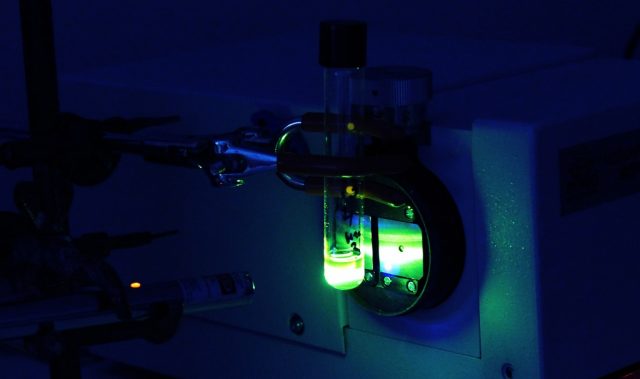
In this study, scientists at the Tokyo University of Agriculture and Technology investigated the resilience of hybrid mixed matrix membranes in the presence of such impurities. They discovered that hybrid membranes prepared using porous organic polymer nanoparticles were not easily degraded by contaminants in industrial gas streams, whereas those containing metal organic framework nanoparticles were less stable. Degradation of the hybrid mixed matrix membranes reduces the efficacy of CO2 capture.
Their results suggest that hybrid membranes of porous organic polymer nanoparticles are effective in gas separation applications such as natural gas sweetening, biogas purification and post-combustion carbon capture, when acidic gases are present. This research thus highlight the importance of selecting the right materials for stable and selective CO2 capture.
The article can be found at: Kanehashi et al. (2017) Effects of Industrial Gas Impurities on the Performance of Mixed Matrix Membranes.
———
Source: Tokyo University of Agriculture and Technology.
Disclaimer: This article does not necessarily reflect the views of AsianScientist or its staff.