AsianScientist (Aug. 24, 2017) – In a study published in The Journal of Allergy and Clinical Immunology, an international team of researchers has figured out why some people allergic to peaches are also allergic to cypress pollen.
Allergies are becoming increasingly common, especially in industrialized countries where almost 30 percent of the population is affected. Doctors have also observed an increase in the number of cases of pollen food associated syndrome, or ‘combination’ allergies, that is, those which occur via a cross-reaction between pollen (respiratory allergies) and food (food allergies).
In Mediterranean regions, allergic reactions to cypress pollen and peach or citrus fruits have been described in clinical practice. In such cases, certain people, having been exposed and sensitized to cypress pollen from a young age, go on to develop allergies to citrus fruits and peaches in adulthood. It is estimated that 60 percent of food allergies occur in combination with respiratory allergies.
Although several explanations such as environmental or lifestyle changes have been suggested to explain the increase in these combination allergies, the structural basis for the cross-reaction between cypress pollen and certain fruits remained unknown.
A translational study directed by researchers from the Institut Pasteur, Assistance Publique – Hôpitaux de Paris, has revealed for the first time the underlying mechanisms behind this cross-reaction. The work was performed in collaboration with teams from the Prague University of Chemistry and Technology of the Czech Republic, Hokkaido University in Japan, and the Pneumo-Allergy Unit at La Timone Hospital in Marseille.
In this study, the scientists analyzed the physicochemical, immunological and structural properties of BP14, an allergen identified in cypress pollen. They demonstrated numerous similarities with the peach allergen Pru p 7 and the orange allergen Cit s 7, both of which belong to the snakin/GRP protein family. These observations led the researchers to establish that BP14, Pru p 7 and Cit s 7 were members of a new family of respiratory and food allergens involved in pollen food associated syndrome.
“A new concept has emerged—conditional sensitization. Once the immune system of an individual develops an intolerance to an allergen such as BP14, it is then more likely to become sensitive to similar allergens within the same protein family which are present in other allergen sources,” said study coordinator Dr. Pascal Poncet from the Institut Pasteur’s Center for Innovation and Technological Research.
This new allergen family could eventually be included in the battery of tests available to allergy sufferers. Therefore, the discovery should improve allergy diagnosis and lead to better personalized treatments for patients.
The article can be found at: Sénéchal et al. (2017) A New Allergen Family Involved in Pollen Food Associated Syndrome: Snakin/Gibberellin Regulated Proteins.
———
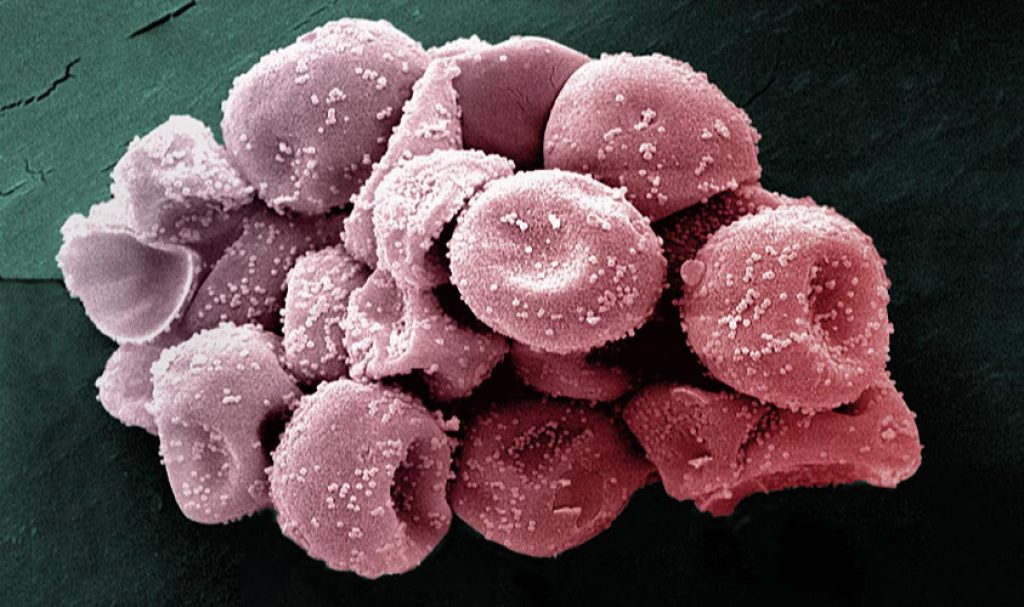
Source: Hokkaido University; Photo: Shahali/Panaud, Institut Pasteur.
Disclaimer: This article does not necessarily reflect the views of AsianScientist or its staff.