AsianScientist (Dec. 12, 2016) – Researchers in China have incorporated copper into stainless steel to give it antibacterial properties, thereby making it more suitable for use as a urethral stent. Their results have been published in Materials Science and Engineering C.
Urethral stents are thin tubes inserted into the ureter to relieve blockages in the flow of urine from the kidneys to the urinary bladder. The most common complications associated with urethral stent surgery are bacterial infection and encrustation of the stent, both of which can cause the surgery to fail and great pain to the patient.
To reduce the failure rate of urethral stent surgery, researchers led by Professor Yang Ke from the Institute of Metal Research, Chinese Academy of Sciences developed a new kind of stainless steel that contains copper.
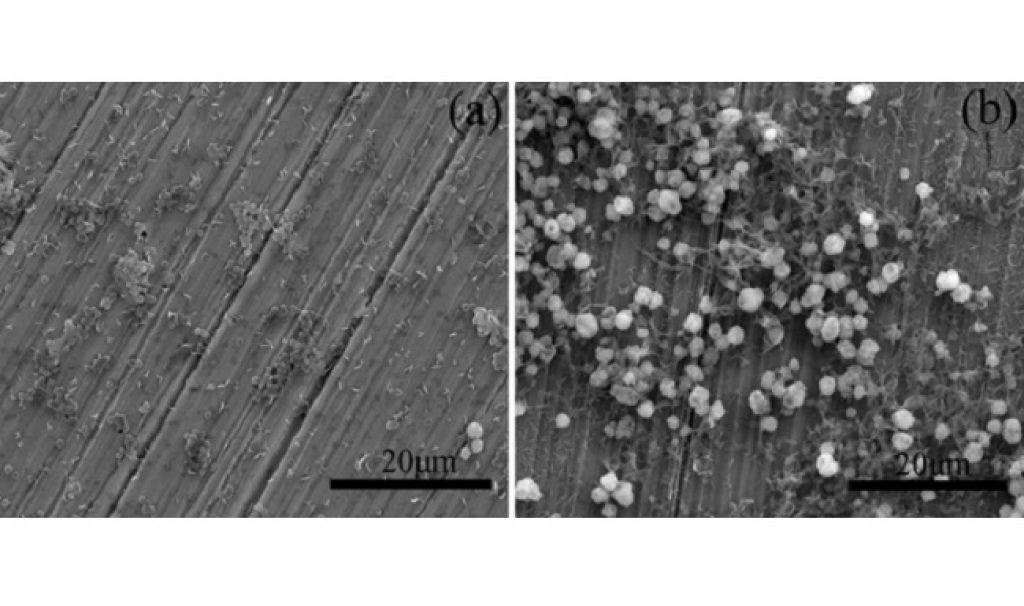
Their recent results indicate that the copper-bearing stainless steel has antibacterial activity, reducing the formation of biofilms and infectious encrustation. The steel also selectively promoted the proliferation and migration of urethral epithelial cells to the stent, inhibiting scar formation and promoting the formation of a lining of endothelial cells.
Importantly, the copper-bearing steel did not cause toxicity, possibly due to the continuous and steady release of copper ions in the urine, the researchers explained.
The researchers have designed a new type of urethral stent using the copper-bearing stainless steel and have applied for patent protection in China.
The article can be found at: Zhao et al. (2016) A Novel Ureteral Stent Material with Antibacterial and Reducing Encrustation Properties.
———
Source: Chinese Academy of Sciences.
Disclaimer: This article does not necessarily reflect the views of AsianScientist or its staff.