AsianScientist (Nov. 29, 2016) – Three teams have been awarded a total of S$125,000 (~US$87,700) in seed funding by the Modern Aging Singapore business accelerator program. Organized by ACCESS Health International and NUS Enterprise and supported by the Singapore Ministry of Health, Modern Aging Singapore seeks to help start ups bring their solutions for the silver sector closer to market.
In July, more than 80 teams signed up for the four-month program which included taking business development courses, mentorship opportunities and workshop participation. The top ten teams went through the Lean LaunchPad Singapore, a program run by NUS Enterprise, the entrepreneurship arm of the National University of Singapore.
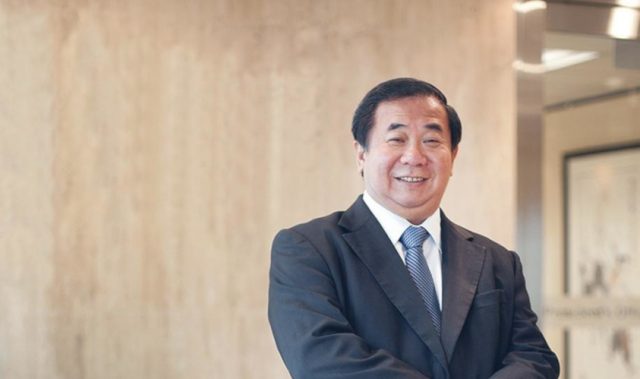
“This year, we introduced the Lean LaunchPad program as a new component to Modern Aging Singapore, customizing it to address the needs of the silver sector. The teams were enthusiastic about the program, as it helped validate their ideas, refine the business model and prepare their pitch. This increases the likelihood of the impact and scalability of the teams’ ideas,” said Dr. Lily Chan, CEO NUS Enterprise.
The top co-recipients, FlexoSense and Kinexcs, each received S$50,000 in seed funding. The FlexoSense team from the NUS department of biomedical engineering designed a smart insole solution to help prevent diabetic foot ulcers that affect one in six people with diabetes. Their flexible pressure sensor combines a liquid-sensing element with a flexible substrate and can detect applied pressure with pin-point accuracy, helping to determine the fit of total custom insoles that help take the pressure off ulcers to prevent re-ulceration.
Kinexcs is developing a wearable monitoring device to remotely track, analyze and monitor the rehabilitation progress of patients who have undergone lower limb surgeries, such as a knee replacement surgery. When fully developed, the knee brace will have motion, pressure and bend sensors, which collect data on the patient’s movement, and process it using proprietary algorithms.
Clinicians can use this to remotely monitor the patient’s range of motion, rehabilitation progress and exercise compliance. It will also allow clinicians to interact with their patients, improving their recovery process. This technology can also be relevant for other patients, such as those with sports related injuries or other knee disorders.
Team Oxyvel has developed a silicon gel sheath that reduces the likelihood of developing pressure ulcers caused by oxygen delivery apparatus, making it more comfortable for patients requiring long-term oxygen therapy. The team received S$25,000 to further their product development.
———
Source: National University of Singapore; Photo: Shutterstock.
Disclaimer: This article does not necessarily reflect the views of AsianScientist or its staff.