AsianScientist (Oct. 24, 2016) – Neuroscientists in Australia may have found the major cause of a common developmental brain disorder. Their work was published in Cell Reports.
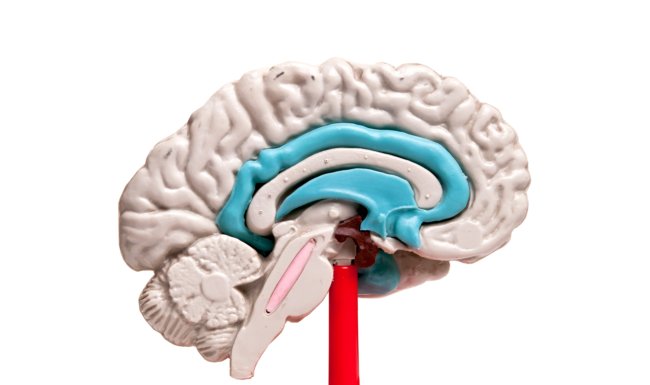
The corpus callosum is the largest nerve fiber tract in the brain, linking the left and right hemispheres. In some people, it is missing or malformed, causing physical, intellectual and social disabilities ranging from mild to severe. Here, the researchers from the Queensland Brain Institute (QBI) at the University of Queensland identified the main cellular events underlying agenesis of the corpus callosum, a developmental disorder that affects one in 4,000 people.
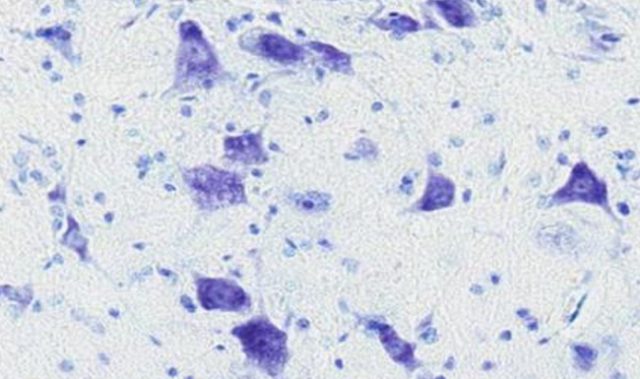
First author Dr. Ilan Gobius found that a particular type of star-shaped glial cell in fetal brains played a vital role in corpus callosum development. According to Gobius, until now, the true function of these cells has been unknown.
The developmental events studied by the team occur between gestational weeks 13 to 18, when the two hemispheres of the brain form. The team found that glial cells form the bridge for nerve fibers to cross between the two hemispheres. When this ‘bridging’ doesn’t happen, the nerve cells are unable to connect to one another.
“We now understand the influence that these glial cells have on the development of this major brain pathway, and that callosal tract malformations occur if the role of these cells is disrupted during pregnancy,” Gobius said.
“Having better genetic information about these disorders will be important for providing more accurate genetic counselling and to help identify children very early, who may need additional care and support.”
QBI Deputy Director Professor Linda Richards said the findings should lead to better diagnosis of the condition during pregnancy, and provide specific genetic information that would enable more targeted care for children with these disorders.
The article can be found at: Gobius et al. (2016) Astroglial-Mediated Remodeling of the Interhemispheric Midline Is Required for the Formation of the Corpus Callosum.
———
Source: University of Queensland.
Disclaimer: This article does not necessarily reflect the views of AsianScientist or its staff.