


LATEST NEWS
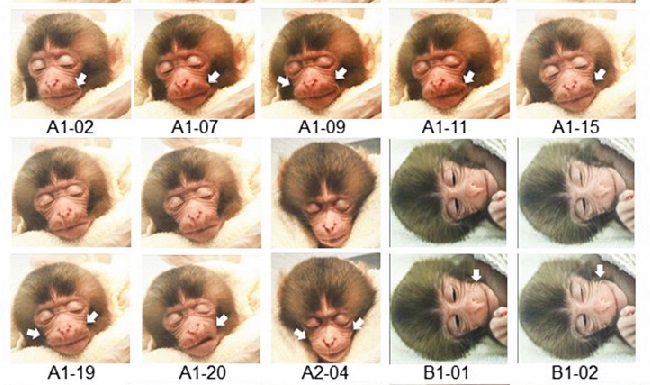
So Cute! Baby Monkeys Reveal The Significance of Smiles
The spontaneous smiles of sleeping baby macaques reveal the evolutionary origin of smiles and laughter, a new study shows.

Decoding Seaweed DNA May Help Strains Withstand Climate Change
The draft genome of the mozuku seaweed may help researchers develop a seaweed variety that thrives in hotter waters, say Japanese scientists.
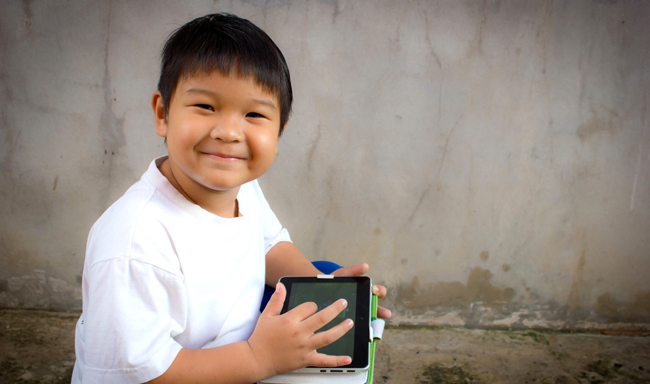
Gamers, Rejoice: Online Gaming Can Boost School Scores
Video games sharpen maths, science and reading skills among 15-year-olds, but too much social media use reduces test results, a study in Australia has found.

Scientists Urge A Move Away From ‘Single-Nutrient Approach’
Instead of focusing on any one nutrient in isolation, scientists are suggesting nutritional geometry, which considers how mixtures of nutrients and other dietary components influence health and disease.
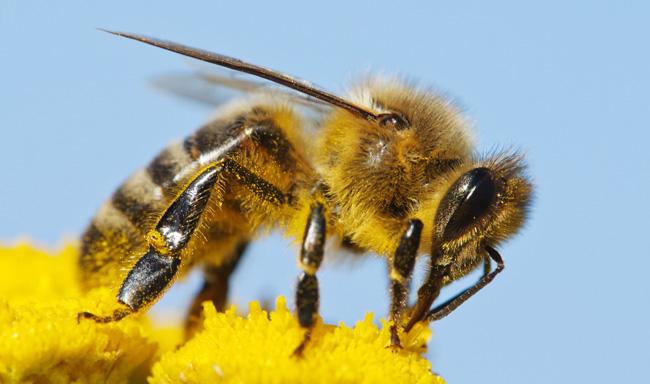
Yes, Bees Get Sexually Transmitted Diseases Too
And when they do get a sexually transmitted disease, the bees' immune system launches an efficient response to protect their sperm—and ultimately their queen—against the disease.

When It Rains, K Computer Can Tell You If It Will Pour, Too
With the powerful K supercomputer, researchers in Japan can now predict the occurrence of torrential rains with much greater accuracy.
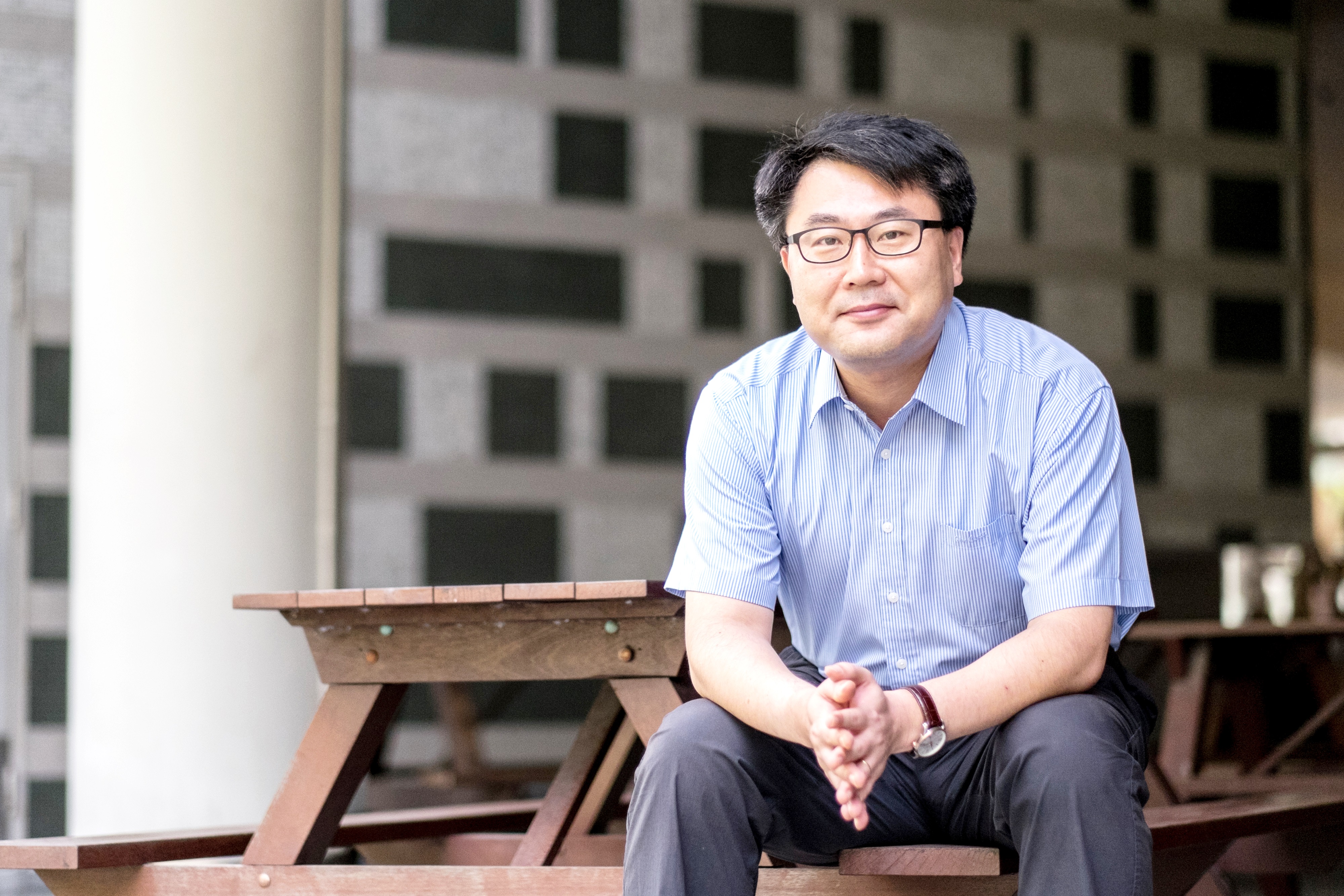
Unveiling Informal Business Networks
Research by SMU Associate Professor Zang Yoonseok is uncovering the implications of informal business networks between top executives and their independent auditors.

China: Rule-Taker, Rule-Shaker Or Rule-Maker?
Despite its ascent on the world stage, SMU Associate Professor Henry Gao’s research shows that China may prefer to keep a low profile in global organisations.

Whose Wrong, Whose Liability
Determining who is legally answerable for a wrong in the civil context can be complicated, but research being done by SMU Associate Professor Lee Pey Woan is helping to clear the air.


