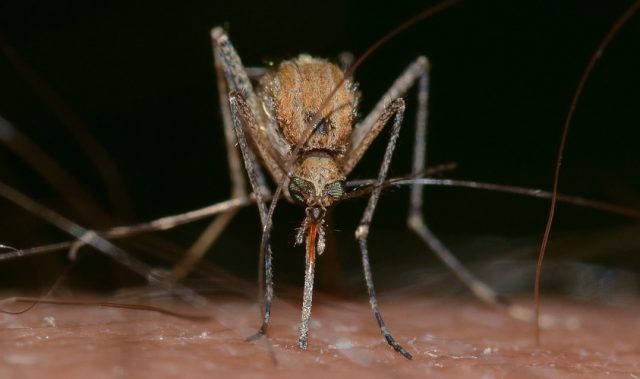
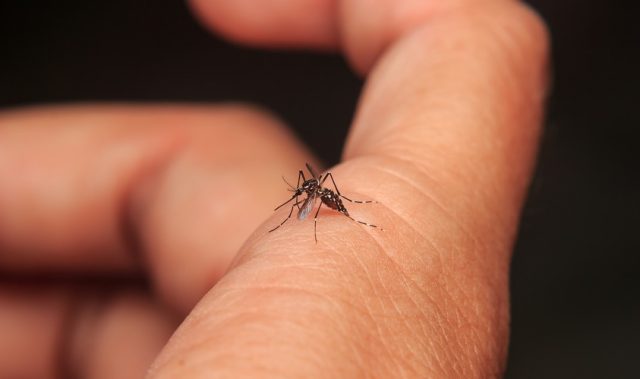
AsianScientist (Aug. 24, 2015) – Sumitomo Chemical and the Innovative Vector Control Consortium (IVCC) at the Liverpool School of Tropical Medicine have developed a compound which can act against insecticide-resistant mosquitoes.
Having completed extensive laboratory-based studies demonstrating the safety and efficacy of this novel insecticide, the study now moves to the next phase which includes evaluating the performance of a range of prototype products in both laboratory and semi-field based settings.
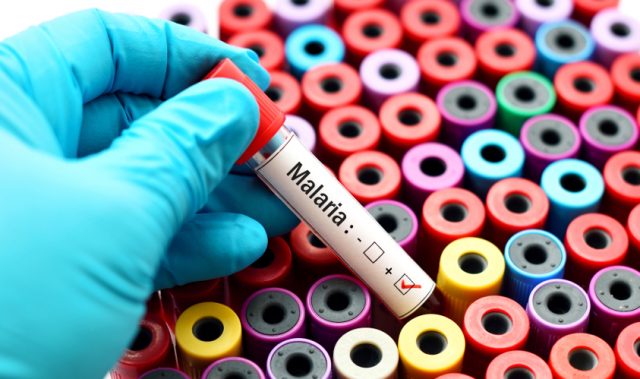
The past ten years have seen tremendous progress in the reduction in the number of cases and deaths from malaria due to widespread efforts to control mosquitoes primarily through the use of bed nets and indoor residual sprays. This progress is, however, at risk as mosquitoes are developing resistance to many of the classes of insecticides.
Sumitomo Chemical has a pipeline of new insecticides and products and has been at the front of developing new tools to combat disease transmitting insects. The current research effort has been supported by IVCC who have provided funding and access to a global multi-disciplinary team of experts.
“When used in combination or rotation with other products and tools as part of a resistance management program, this [insecticide] has the potential to substantially improve our ability to better control and, in the longer term, achieve our long term goal to eradicate malaria,” said Mr. Ray Nishimoto, representative director and senior managing executive officer at Sumitomo Chemical.
Dr. Abdoulaye Diabate, a researcher in Burkina Faso at IRSS (Institut de Researche en Sciences de la Santé) added, “Insecticides with novel modes of action such as this are desperately needed. Because if we carry on using the same mosquito control tools we have been using in the past, then there is no doubt that the increase in resistance levels we are seeing will lead to control failure, with up to half the lives currently saved by vector control lost.”
———
Source: Sumitomo Chemical.
Disclaimer: This article does not necessarily reflect the views of AsianScientist or its staff.