AsianScientist (Jun. 3, 2015) – Two people in South Korea—a 58 year-old woman and a 71 year-old man—have died after being infected with Middle East respiratory syndrome coronavirus (MERS-CoV). As of the time of this report, six new cases of MERS have been reported and at least 25 have been infected.
Countries worldwide are stepping up screening at airports and taking preventive measures to prevent the spread of the virus. The cautious approach by governments is an attempt to prevent an epidemic like the severe acute respiratory syndrome (SARS) virus, which infected over 8,000 people and killed 774 people during its outbreak in 2002-2003, according to a report by the World Health Organization (WHO).
MERS was first identified in 2012, originating from the Middle East and mostly reported in Saudi Arabia. Some of the common symptoms include having a fever, cough and breathing problems. A factsheet by the Centers for Disease Control and Prevention (CDC) notes that the MERS’ incubation period is estimated to be about five or six days, but can range from 2-14 days. According to recorded statistics, MERS is considered to deadlier than SARS, with a reported fatality rate of 27 percent, higher than the reported fatality rate for SARS of 14-15 percent.
Like SARS, MERS is a coronavirus. Coronaviruses spread mostly through the air (e.g. sneezing or coughing) and also through close personal contact with an infected person. However, while the WHO says that while clusters of cases have been reported in Saudi Arabia, there has been “no evidence of sustained human-to-human transmission”.
The Peculiar Case of South Korea
The sudden peak in MERS cases have left both health officials and scientists puzzled. Unlike cases reported in other countires, the number of secondary infections have been relatively high in South Korea. Adding to the mystery is the fact that MERS has not been shown to spread easily through human contact, mainly due to the fact that it infects the lower respiratory tract.
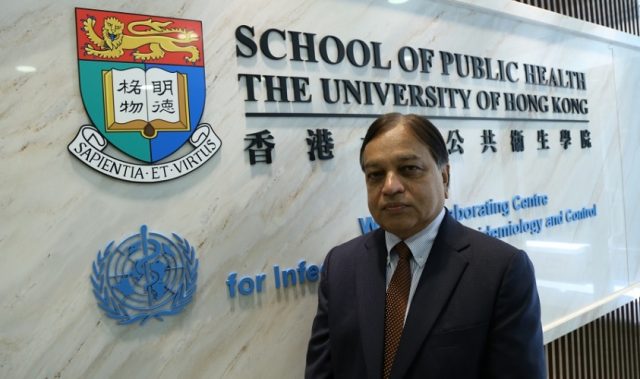
“So far, the virus has been circulating in humans for three years,” Dr. Leo Poon, a virology expert at the University of Hong Kong, who worked on the SARS outbreak more than a decade ago, told CNN. “We found little transmission in human. We know there is human-to-human transmission, but it’s not sustainable.”
A report by ScienceInsider cites Dr. Peter Ben Embarek, WHO’s lead person for the MERS response, who gives an explanation for the “superspreading event.” Embarek attributes the South Korean cases to a possible lapse in infection control measures at the hospital, especially the procedures carried out on the first MERS-infected person who was admitted. This is due to the fact that the patient was admitted before he was positively identified with the MERS-CoV. The report also notes Embarek’s other explanations—that the infected patient might be carrying a different strain of MERS-CoV, or Koreans in general are more susceptible to the virus.
The outbreak in South Korea started when a 68 year-old man returned from a business trip to four Middle East countries on May 4, falling ill a week later. The country remains on high alert as 1,364 people have been quarantined and the number of confirmed cases reached 30, according to CNN.
MERS and The Future
MERS has caused much concern within the international health community due to the lack of knowledge about the origins of the virus, how it spreads and how to treat it. Till date, there is no vaccine or antiviral treatment available for the MERS-CoV.
However, there has been progress in research done on the MERS-CoV. A study done by an international research team has found that the MERS-CoV has zoonotic origins, similar to the SARS-CoV. A key discovery is that the camel MERS-CoV could be transmitted to humans, by-passing the first-line of defense in the human immune system. This finding validates previous theories that MERS can be contacted not just through an infected person, but also from an animal host carrying the MERS-CoV.
With the increasing interconnectedness of cities, governments worldwide must continue to be vigilant against the spread of the MERS-CoV. The South Korean cases are a salient example of how global transport hubs can be most at risk of coming in contact with the MERS-CoV and spread the virus to other cities. Will scientific research have the answer to the origins and effective treatment of the MERS-CoV? Possibly, but till then, prevention is better than cure.
———
Copyright: Asian Scientist Magazine; Photo: NIAID/Flickr/CC.
Disclaimer: This article does not necessarily reflect the views of AsianScientist or its staff.