AsianScientist (Mar. 12, 2015) – Researchers have identified a genetic variation which affects spontaneous blinking rates in humans. Their results, published in Scientific Reports, imply that blinking rates could be used to predict neuroreceptor variations, thereby making blinking a potential indicator of neurological diseases.
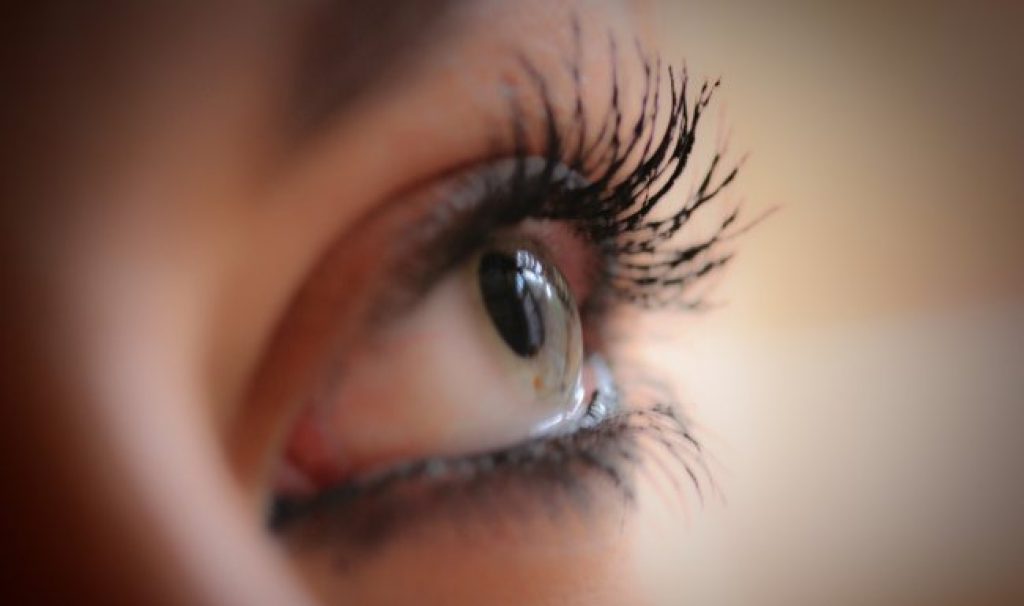
The spontaneous blinking rate varies between individuals, ranging from several times to a few dozen times per minute. An increase in the frequency of spontaneous blinking had already been associated with the neurotransmitter dopamine. In fact, sufferers from Parkinson’s disease caused by the death of dopamine neurons are known to have a very low blink rate and blink rate is used to assess the health of dopamine-mediated nervous centers.
Therefore, at a genetic level, scientists expected to find a link between blink rate and the different forms of genes coding for dopamine-related enzymes and receptors. However, no such link was found to date. This suggested to a team from Osaka University, led by Professor Tamami Nakano, that the association between blink rates and dopamine could be mediated by other factors.
As nicotine is known to increase blinking rate and nicotinic receptors in the brain induce dopamine release, Nakano and his team set out to investigate if a genetic polymorphism of the nicotinic receptor could be at the root of the individual differences in spontaneous eyeblink rates.
They observed the blink rate of 104 Asian non-smokers while they watched a clip from a Mr. Bean video and at rest. The candidates were then divided into three groups on the basis of the number of C alleles in a known single nucleotide polymorphism (SNP) of the nicotinic receptor gene, CHRNA4. Using a cutoff point of 17.3 blinks per minute, 65 percent of CC participants exhibited a blink rate below the cutoff value, whereas 64 percent CT/TT participants placed themselves above it.
As the CHRNA4 induces dopamine release in the brain, it is possible that the association between blink rates and dopamine may be because the CT/TT allele increases the nicotinic receptor’s sensitivity to acetylcholine and nicotine, causing higher dopamine levels in the brains of people who carry the alleles, Nakano said.
Given that the nicotinic receptor is involved in Alzheimer’s and Parkinson’s disease, spontaneous eye blink rate could be used as an additional tool to assess the risk of these diseases.
“While the blink rate cannot predict genetic variation with 100 percent accuracy, it can be a useful biomarker to assess the possibility of genetic variation and the risk of nicotine addiction. For example, a low blink rate would suggest that there is no genetic variation at the CHRNA4 SNP, therefore indicating that the person is genetically predisposed to nicotine addiction,” he explained.
The article can be found at: Nakano et al. (2015) Association of a Nicotinic Receptor Gene Polymorphism With Spontaneous Eyeblink Rates.
———
Copyright: Asian Scientist Magazine; Photo: Jon Mitchell/Flickr/CC.
Disclaimer: This article does not necessarily reflect the views of AsianScientist or its staff.