AsianScientist (Sep. 9, 2014) – It will soon be possible to grow premium-quality caffeine-free coffee, tea and cocoa, thanks to research involving University of Queensland (UQ) expertise published in the journal Science.
This will offer the 12 percent of coffee drinkers who choose decaf access to a less-processed product with all the full-bodied flavor of the real thing.
Professor Robert Henry, at UQ’s Queensland Alliance for Agriculture and Food Innovation (QAAFI), said this was one outcome of an international research effort analyzing the coffee genome.
“It should soon be possible to select and grow coffee with a pre-determined level of caffeine—ranging from zero-caf to jumpstart. Helping Queensland producers to grow export-quality coffee destined for high-value niche markets is our ultimate goal,” he said
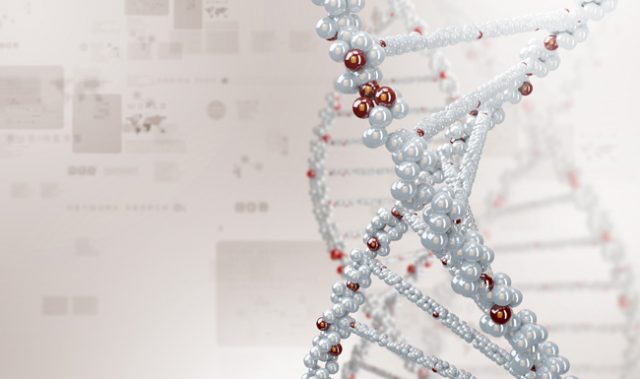
He said genome sequencing of the coffee plant Coffea canephora confirmed that caffeine had developed independently in various plants.
“Coffee, cacao (the source of cocoa and chocolate) and tea appear to share an ability to produce caffeine in their leaves, shoots or stems,” Prof. Henry said. “Although such plants are not closely related, they all synthesize caffeine. It seems that during their evolution, each plant independently developed the ability to make caffeine.”
“We think caffeine offers plants several advantages, including insecticidal properties and an inhibitory function that prevents seed germination in competing species. Our new understanding of the evolutionary origins of caffeine is destined to give us the high-precision tools we need to regulate how caffeine is expressed in a single bean,” Prof. Henry said.
QAAFI, which pursues scientific methods to add value to Queensland produce, is also working with flavor scientists and industry partners to unpick the genomic component of premium coffee.
“Potentially, Queensland could develop a multi-million-dollar market for high-quality, premium coffees, ranging from full strength to decaffeinated,” Prof. Henry said.
QAAFI flavor scientist Dr. Heather Smyth said traditional methods of minimizing caffeine often led to flavor loss.
“Understanding the origin of caffeine in coffee means that potentially we can develop varieties with low or no caffeine,” she said. “If the decaffeinating process could be avoided, the beans would retain the full coffee flavor.”
The article can be found at: Denoeud et al. (2014) The Coffee Genome Provides Insight into the Convergent Evolution of Caffeine Biosynthesis.
——
Source: University of Queensland; Photo: Aris Vrakas/Flickr/CC.
Disclaimer: This article does not necessarily reflect the views of AsianScientist or its staff.