AsianScientist (Apr. 11, 2014) – The Pew Report, Who’s Winning the Clean Energy Race? 2013 Edition, has found that China remains the leading destination for investors, even as global clean energy investment fell 11 percent.
“Despite a slow recovery from a global recession and damaging policy uncertainty, the clean energy industry has established itself as a $250 billion component of the world economy,” said Phyllis Cuttino, director of Pew’s clean energy program.
“While there was an overall decline in investment, there are signs that the sector is reaping the rewards of becoming a more mature industry. Prices for technologies continue to drop, making them increasingly competitive with conventional power sources. Key clean energy stock indexes rose significantly in 2013, with public market financing up by 176 percent,” she said.
The curtailment of incentives in Europe weighed heavily on worldwide investment, while uncertainty about U.S. policy in the wind sector dragged down overall renewable energy capacity additions. In a study of contrasts, investment in the larger and more established markets of G-20 countries declined by 16 percent as investment in non-G-20 markets grew by 15 percent, with promising sectors emerging in countries such as Chile and Uruguay.
Renewable energy investment in the Asia/Oceania region, which includes Australia, China, India, Indonesia, Japan and South Korea, continued to grow steadily in 2013, increasing ten percent to US$102 billion.
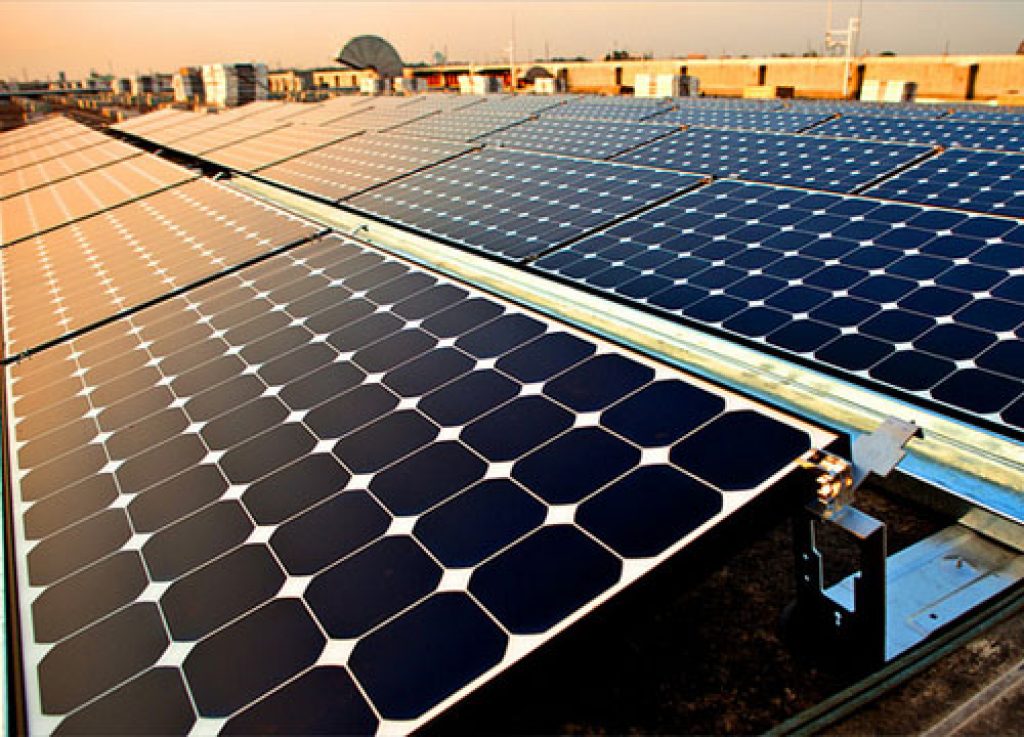
China remains the leading regional and global market, attracting US$54.2 billion in 2013. Its clean energy sector is shifting from an exclusive focus on exports toward greater domestic consumption, with a nearly fourfold growth in solar power to an unprecedented 12.1 gigawatts (GW). With an additional 14.1 GW of wind, China installed more than 35 GW of new renewable power generating capacity, a record.
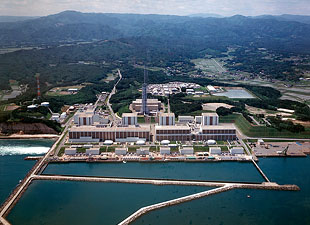
Japan experienced the fastest investment growth in the world, increasing 80 percent to almost US$29 billion and moving to third from fifth place among G-20 nations. This reflects its priority on renewable power since the Fukushima nuclear disaster. Most striking was a near doubling in the country’s solar sector, which received US$28 billion in investment, almost 30 percent of the G-20 total.
For the first time, more solar than wind energy was installed globally. 40 GW of solar generating capacity were added, an increase of 29 percent, raising the total to 144 GW. Wind capacity additions declined by more than 40 percent; the United States accounted for more than half of that drop.
Current projections indicate that solar will be the leading clean energy technology in both investment and capacity for the next several years. Energy efficient and low-carbon technologies, which include smart meters and energy storage devices, grew 15 percent to US$3.9 billion.
———
Source: The Pew Charitable Trusts; Photo: IntelFreePress/Flickr/CC.
Disclaimer: This article does not necessarily reflect the views of AsianScientist or its staff.