Asian Scientist (Dec. 20, 2013) – Chinese researchers have linked recurrent mutations in the Yin Yang 1 (YY1) gene to insulinoma oncogenesis. The discovery paves the way for a potential marker in the diagnosis and treatment of functional pancreatic neuroendocrine tumors (PNETs).
Pancreatic neuroendocrine tumors are classified into functional and nonfunctional tumors by hormone secretion and clinical symptoms. Functional PNETs are mainly represented by insulinoma, which secrete insulin independent of glucose and cause hypoglycemia. The major genetic alterations in insulinomas were previously not known.
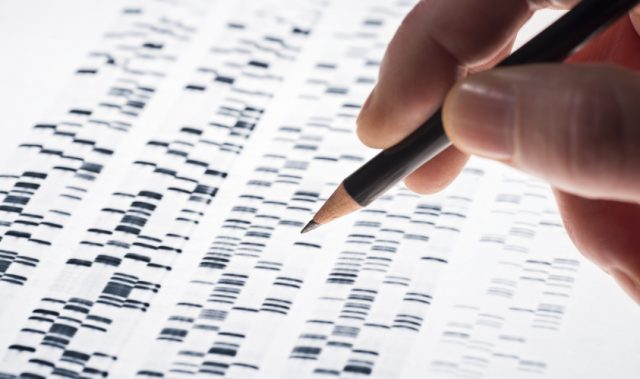
In their study, published in Nature Communications, the researchers sequenced the exomes (protein-coding regions of the genome) of 10 insulinoma samples and identified a genetic mutation that occurred in the YY1 gene.
The YY1 gene produces a multifunctional transcription factor which takes part in regulating normal physiological progress such as development, differentiation, replication and cell proliferation. It also plays an important role in regulating insulin signaling that is crucial for insulin production and secretion.
Subsequently, the researchers looked for the YY1 mutations in an additional 103 insulinomas samples and found that the same genetic mutation (T372R) occurred in 31 cases (about 30 percent of all samples). This strongly suggests that the T372R mutation is a pathogenic factor in insulinoma. In addition, they found that the presence of the T372R mutation enhances the transcriptional activity of YY1.
The researchers also showed that it may be possible to target insulinomas that have the mutation by using a mTOR inhibitor that can regulate the transcriptional activity of YY1. The inhibitor has already been approved for clinical use in treating cancers.
The article can be found at: Cao Y et al. (2013) Whole Exome Sequencing Of Insulinoma Reveals Recurrent T372R Mutations In YY1.
——
Source: BGI; Photo: exfordy/Flickr/CC.
Disclaimer: This article does not necessarily reflect the views of AsianScientist or its staff.