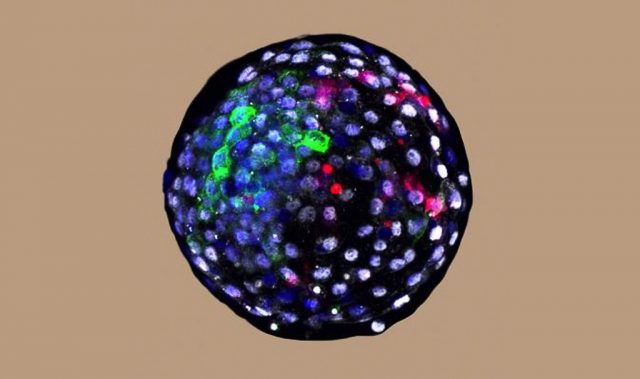
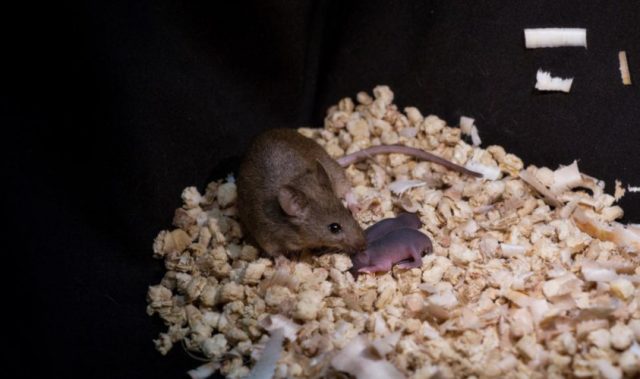
AsianScientist (Aug. 1, 2013) – Scientists in China and the US have tracked the complete set of genetic changes in a human and a mouse embryo at an unprecedented level of accuracy.
The technique could lead to earlier and more accurate diagnoses of genetic diseases, even when the embryo consists of only eight cells.
In their study, published in Nature, the scientists were able to analyze the transcriptome, comprising RNA from all the genes that are actively expressed, of one single cell. They were able to do this using single-cell RNA sequencing, a technology that allows researchers to analyze genetic changes from RNA transcripts present in one particular cell.
“The advantages of this technique are twofold,” said Professor Guoping Fan, senior author of the paper.
“It is a much more comprehensive analysis than was achievable before and the technique requires a very minimal amount of sample material — just one cell.”
Besides its implications for genetic diagnoses — such as improving scientists’ ability to identify genetic mutations like BRCA1 and BRCA2, which predispose women to breast cancer and ovarian cancer, or genetic diseases that derive from protein dysfunction, such as sickle cell disease — the technology may also have important uses in reproductive medicine.
The technique marks a major development in genetic diagnosis, which previously could not be conducted this early in embryonic development and required much larger amounts of biological material.
“Previous to this paper we did not know this much about early human development,” said Kevin Huang, the study’s co-first author.
“Now we can define what ‘normal’ looks like, so in the future we will have a baseline from which to compare possible genetic problems. This is our first comprehensive glance at what is normal.”
The article can be found at: Xue et al. (2013) Genetic Programs In Human And Mouse Early Embryos Revealed By Single-Cell RNA Sequencing.
——
Source: UCLA; Photo: Bruno C. Vellutini/Flickr.
Disclaimer: This article does not necessarily reflect the views of AsianScientist or its staff.