Asian Scientist (Aug. 5, 2013) – Researchers in Japan and Germany have carried out the largest simulation of a neuronal network to date.
The researchers successfully simulated a network consisting of 1.73 billion nerve cells connected by 10.4 trillion synapses.
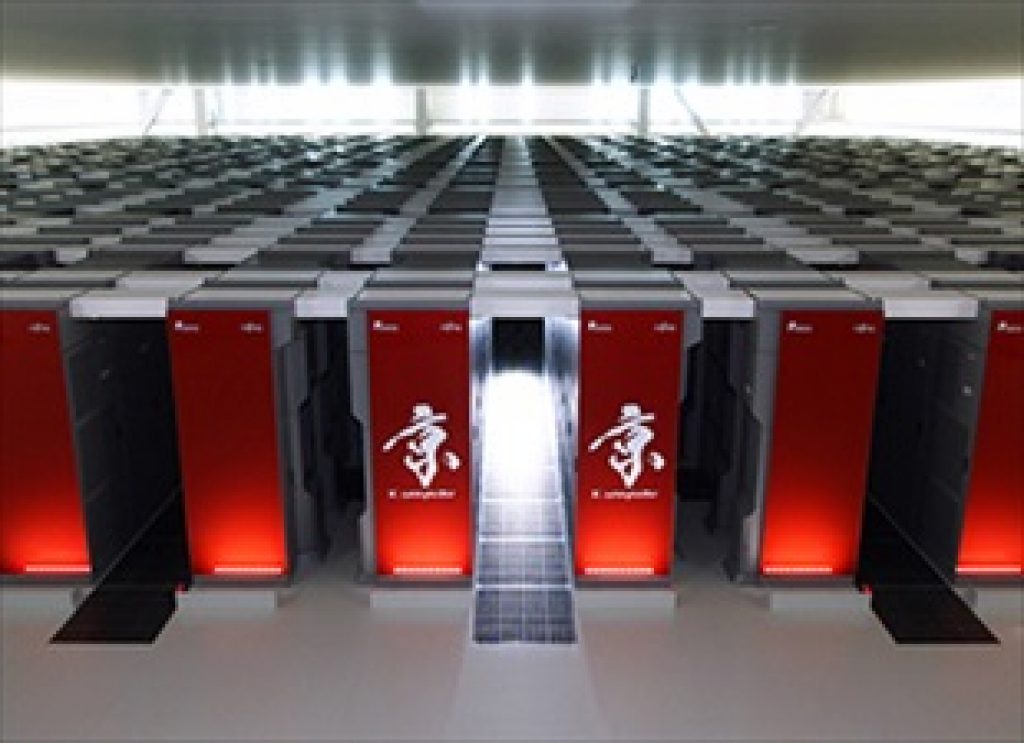
To realize this feat, the program recruited 82,944 processors of K Computer, the Japanese supercomputer housed in the RIKEN Advanced Institute for Computer Science. The process took 40 minutes, to complete the simulation of 1 second of neuronal network activity in real, biological, time.
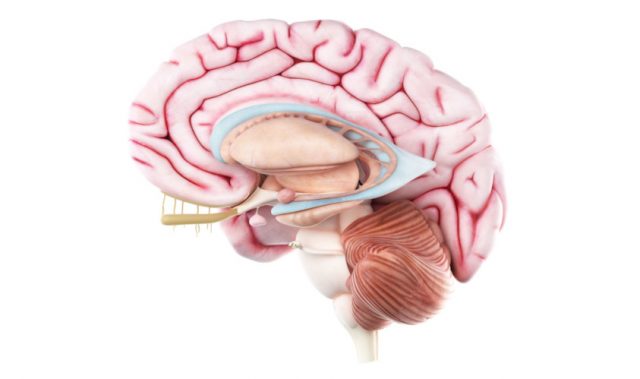
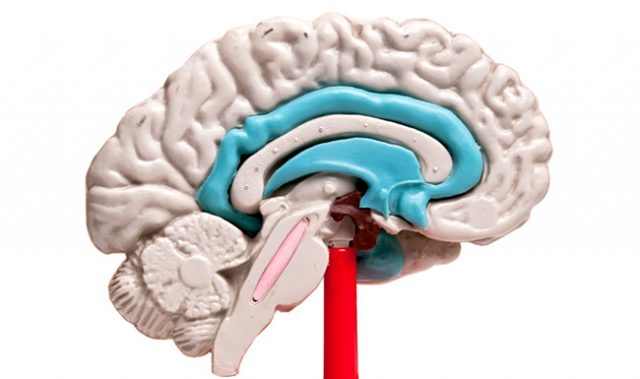
Although the simulated network is huge, it represents just 1% of the neuronal network in the brain.
The nerve cells were randomly connected and the simulation itself was not supposed to provide new insight into the brain – the purpose of the endeavor was to test the limits of the simulation technology developed in the project and the capabilities of K.
In the process, the researchers gathered invaluable experience that will guide them in the construction of novel simulation software.
This achievement gives neuroscientists a glimpse of what will be possible in the future, with the next generation of computers, so called exa-scale computers.
“If peta-scale computers like the K Computer are capable of representing 1% of the network of a human brain today, then we know that simulating the whole brain at the level of the individual nerve cell and its synapses will be possible with exa-scale computers hopefully available within the next decade,” said Markus Diesmann, the leader of the team.
The researchers are now planning on continuing their successful collaboration in the upcoming era of exa-scale systems.
——
Source: RIKEN.
Disclaimer: This article does not necessarily reflect the views of AsianScientist or its staff.