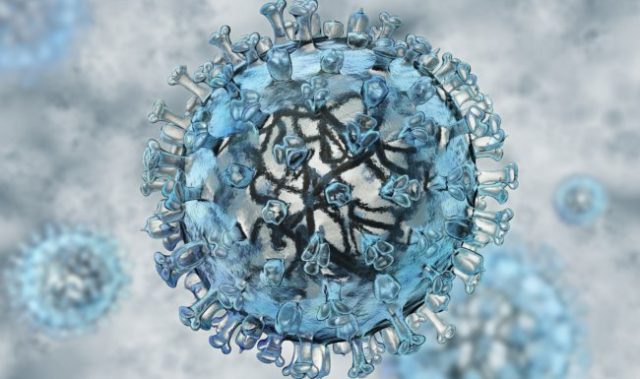
AsianScientist (Jun. 25, 2012) – Researchers in Singapore report a human antibody that can not only neutralize but also kill the dengue virus within two hours.
A way to reproduce this antibody in large quantities has also been identified, potentially opening the door to a cure for dengue infected patients.
Researchers from the National University of Singapore (NUS) studied a group of cell lines from recovered dengue-infected patients over a period of two years, in the process identifying a recombinant antibody that attaches itself strongly to a specific part of the dengue virus and inhibits it from attacking other cells.
The antibody eventually destroys the virus and at a much faster speed compared to existing anti-dengue compounds, increasing the survival of mice infected with the dengue virus.
The World Health Organization estimates there may be 50–100 million dengue infections worldwide every year. With no approved vaccines or specific treatment available and with vector control as the only method for prevention, dengue continues to be a public health concern.
To complicate matters, there are four dengue serotypes (DENV1 to DENV4), and infection with one dengue serotype means lifelong immunity to that type but only partial and temporary protection against the other three.
This newly discovered antibody specifically treats DENV1, which accounts for up to 50 percent of the dengue cases in Singapore and other countries in Southeast Asia.
“This represents the best candidate therapy that currently exists for dengue and thus is likely to be the first step in treating dengue infected patients who currently have no specific medicine or antibiotic to take and may take days to fully recover,” said senior author Associate Professor Paul Macary of the NUS Yong Loo Lin School of Medicine.
The team is now working to find antibodies that target dengue serotypes 2, 3 and 4. A clinical trial for the DENV1 serotype antibody is planned for the next 12-16 months.
——
Source: Duke-NUS.
Disclaimer: This article does not necessarily reflect the views of AsianScientist or its staff.