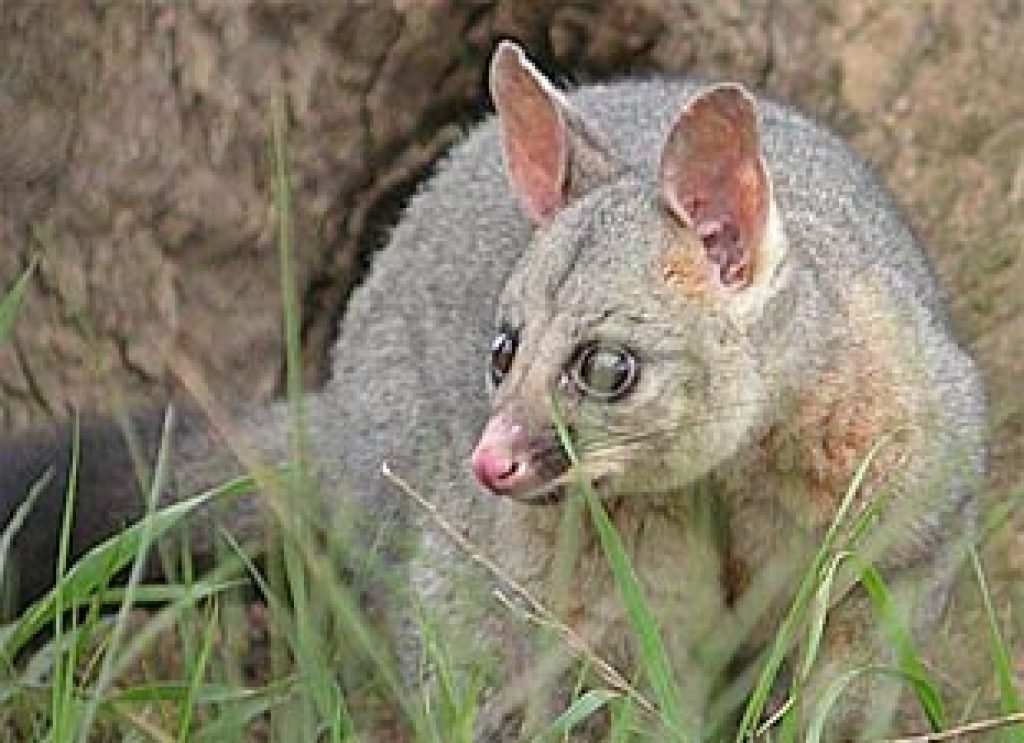
AsianScientist (Nov. 4, 2011) – An investigation has been launched by the Tasmanian Department of Health and Human Services into how two people developed a very rare infection, following contact with possums in western Tasmania.
As this is such a rare infection in the southern hemisphere, a joint investigation with the Department of Primary Industries, Parks, Water and Environment was initiated.
While tularemia is well known and understood in many parts of the northern hemisphere, its ecology in the southern hemisphere is largely unknown. These infections appear to be the first in the southern hemisphere due to this particular strain of the bacterium, according to a report on the department’s website.
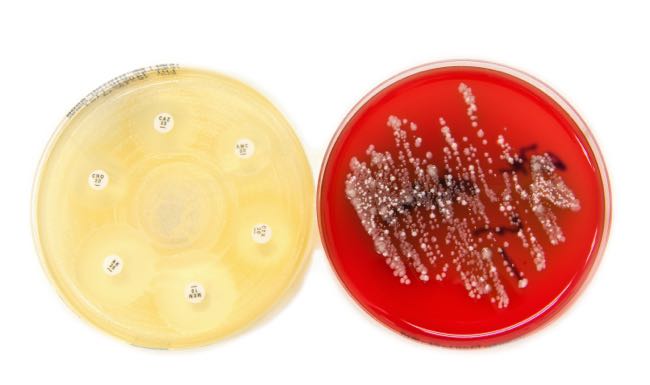
Specialised testing was needed to establish the diagnosis of tularemia, an infection due to a bacterium called Francisella tularensis. While many strains exist, current indications are that both Tasmanian cases are due to one of the milder strains, which causes a persistent but treatable skin infection.
After being bitten and scratched by possums in the Queenstown-Zeehan area earlier this year, each person developed persistent skin infections at the sites of their injuries and in their lymph glands. Known routes of transmission include bites by ticks or insects, or through handling infected animals and carcasses.
Both cases were treated by their general practitioners and specialists, and are now recovering.
The Department of Health and Human Services adds that anyone who has been bitten or scratched by a wild animal should see their doctor, and warns against handling of all wild animals in general.
——
Source: Tasmanian Department of Health and Human Services.
Disclaimer: This article does not necessarily reflect the views of AsianScientist or its staff.