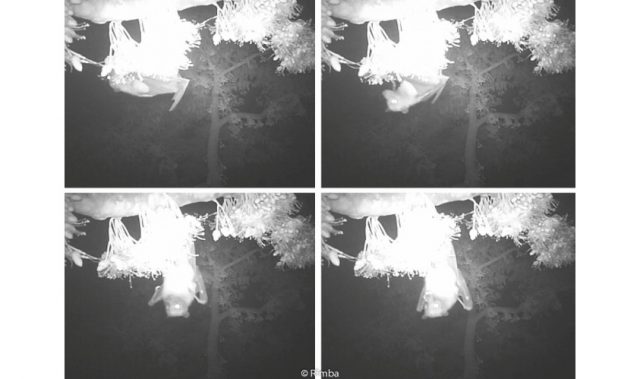
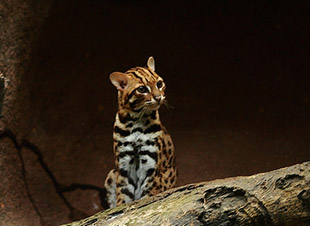
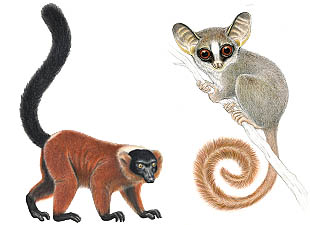
AsianScientist (Aug. 16, 2011) – The first global camera trap mammal study, announced today by a group of international scientists, has documented 105 species in nearly 52,000 images across seven protected wildlife preserves in Suriname, Costa Rica, Indonesia, Tanzania, Brazil, Uganda, and Laos.
Suriname had the most diversity and Laos the least.
The study, led by Dr. Jorge Ahumada, ecologist with the Tropical Ecology Assessment and Monitoring (TEAM) Network at Conservation International, has been published in Philosophical Transactions of the Royal Society B.
The pictures reveal an amazing variety of animals in their most candid moments, from a minute mouse to the enormous African elephant, plus gorillas, cougars, giant anteaters and – surprisingly – even tourists and poachers.

(Source: Global Camera Trap Mammal Study/TEAM/Conservation International).
To gather data, 420 cameras were placed around the world, with 60 camera traps set up in each site at a density of one per every two square kilometers for a month in each site. After photos were collected from 2008-2010, scientists categorized animals by species, body size and diet, among other things.
“We take away two key findings from this research. First, protected areas matter: the bigger the forest they live in, the higher the number and diversity of species, body sizes and diet types,” said Dr. Ahumada.
“Second, some mammals seem more vulnerable to habitat loss than others: insect-eating mammals — like anteaters, armadillos and some primates, are the first to disappear — while other groups, like herbivores, seem to be less sensitive,” he added.
Of the sites researched, the Central Suriname Nature Reserve presented the highest number of species diversity (28) and the Nam Kading National Protected Area in Laos presented the lowest number of species diversity (13). The body size of species photographed ranged from 26 g (Linnaeu’s Mouse Opossum, Marmosa murina) to 3,940 kg (African elephant, Loxodonta africana).
With around 25 percent of all mammal species under threat and little global quantitative information available, this study fills a very important gap in what scientists know about how mammals are being affected by local, regional and global threats such as overhunting, conversion of land to agriculture, and climate change.
Since 2010, more cameras have been installed in 17 new sites, including sites in Malaysia and India.
The article can be found at: Ahumada JA et al. (2011) Community structure and diversity of tropical forest mammals: data from a global camera trap network.
——
Source: Conservation International.
Disclaimer: This article does not necessarily reflect the views of AsianScientist or its staff.