AsianScientist (Apr. 14, 2011) – Kraig Biocraft Laboratories, Inc. has entered into a licensing agreement with biotechnology giant Sigma-Aldrich to develop genetically modified silkworms for the production of hybrid “spider silkworm silk.”
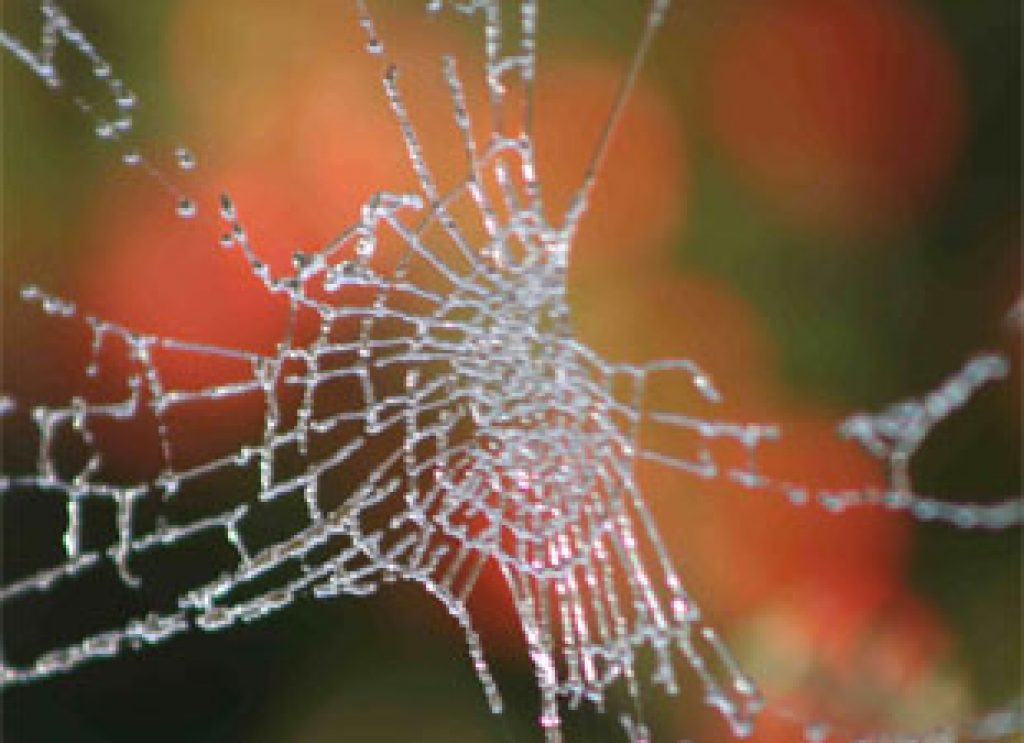
Hailed as one of nature’s strongest and most remarkable materials, spider silk is made when spiders spin liquid protein into solid fibers.
Some spider species are capable of producing up to seven different types of silk depending upon the spider’s particular need at that time. For example, a spider will use one type of silk to make the structural supports for it web, and another type to wrap its captured pray.
Drag line silk, the silk used when a spider is repelling, is of particular commercial interest. This natural polymer is both extremely strong and extremely flexible.
While the superior properties of spider silks are well known, there was no known way to produce the fibers in commercial quantity. The spiders are cannibalistic, and cannot be raised in concentrated colonies. Until now, this technological barrier has stymied spider silk production.
Since the first published sequence of a spider silk gene in 1990, much research has focused on the production of commercially viable spider silk with high tensile strength and elasticity.
In 2010 KBLB made an important advance towards this goal, by producing hybrid silkworms with randomly inserted spider silk genes while removing endogenous silkworm silk genes, yielding hybrid spidersilkworm silk.
The silk produced has enhanced strength and elasticity with potential textiles and biomedical applications, such as sutures, tendon and ligament repair, bulletproof vests, and automobile airbags.
Kraig has successfully negotiated a license to use Sigma-Aldrich’s powerful zinc finger technology to accelerate its scientific research and product development, along with an option to commercialize the resulting biomaterials in the textile and biomedical fields.
———
Source: Kraig Biocraft Laboratories, Inc.
Disclaimer: This article does not necessarily reflect the views of AsianScientist or its staff.