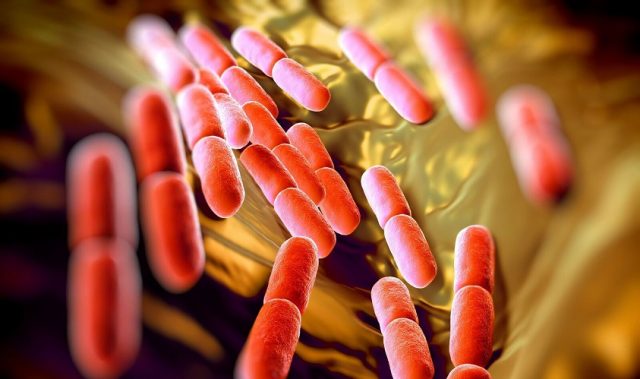
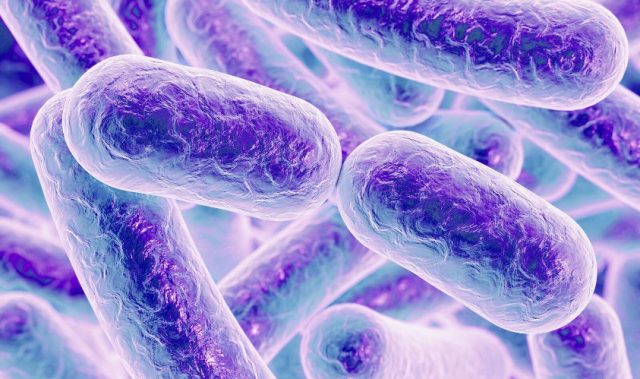
AsianScientist (Mar. 23, 2016) – Lactobacillus might sound familiar when the topic of probiotics comes up, but they are only one of many types of bacteria that have proven health benefits. A study by Korean researchers has shown that the introduction of the probiotic Bifidobacterium longum KACC 91563 has the ability to reduce the effects of food allergies. Their findings were published in The Journal of Allergy and Clinical Immunology.
In the US, the number of children with food allergies increased by 18 percent between 1997 and 2007; during the same time, allergy-related hospital visits tripled. Though some probiotics have proven to be very effective for reducing food allergies, this is not the case for all probiotic bacteria.
To observe the effect bacteria has on immune system response, the research team tested two strains, Bifidobacterium longum KACC 91563 and Enterococcus faecalis KACC 91532, on mice. These mice were later exposed to food allergens.
Mice with an E. faecalis KACC 91532 intestinal population did not show any change in allergic response; however, in mice with B. longum KACC 91563 intestinal populations there was a significant suppression and delay in the occurrence of diarrhea.
The probiotics work by releasing extracellular vesicles (EVs), tiny spherical ‘packets’ that contain protein and DNA which are released into the small and large intestines. The EVs deliver this material from the bacteria which influence the immune system.
In the case of B. longum KACC 91563, the EVs contain the family 5 extracellular solute-binding protein (ESBP). In the intestines, the ESBP interacts with mast cells which are responsible for allergic response, and causes them to kill themselves, thus neutralizing their ability to induce allergy.
The mice were given a common test allergen—albumin, the protein found in egg whites—mixed with alum to induce food allergy responses. The team looked for signs of intestinal distress, in this case diarrhea, as an indicator of an allergic response. They found that the dose was an important factor, as less than 5 x 10⁹ colony-forming units of bacteria per mouse per day were not enough to prevent allergic response from occurring.
While the number of food allergies cases continues to grow, few treatment options exist.
“Our study is the first to discover the probiotic strain’s mechanism of controlling food allergies without affecting regulatory T-cells,” said corresponding author Dr. Yang Bo-Gie.
“Since mast cells are the root cause of all allergic reactions, recombinant ESBP protein might be used in a therapeutic treatment of other allergic diseases as well as food allergy.”
There are other possible applications for ESBP, including in skin cream to treat eczema. This protein treatment looks like a significant step in mitigating an overactive immune response which will go a long way in combating allergies.
The article can be found at: Kim et al. (2016) Extracellular Vesicle-Derived Protein from Bifidobacterium longum Alleviates Food Allergy Through Mast Cell Suppression.
———
Source: Institute for Basic Science; Photo: Shutterstock.
Disclaimer: This article does not necessarily reflect the views of AsianScientist or its staff.